
Moraea huttonii
Moraea huttonii
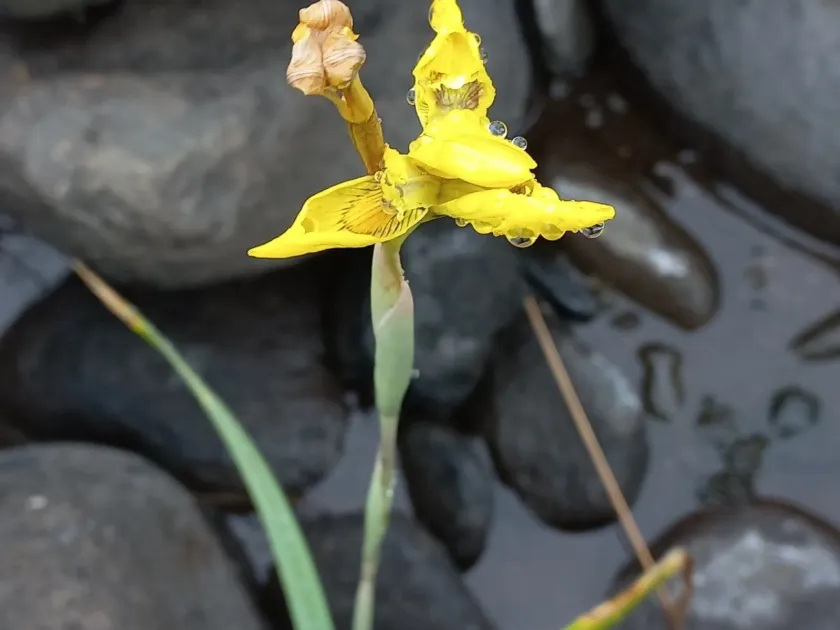
Description
Growing requirements
Moraea huttonii is a perennial herbaceous bulbous plant belonging to the Iridaceae family. Native to the damp habitats of South Africa, this species thrives in moisture-retentive soils near rivers and wetlands.
Botanically, it features a cluster of narrow, sword-shaped leaves and produces elegant, bright yellow flowers. Its growth habit is similar to other members of the Iris family, making it an attractive addition to garden borders and pond edges.
The cultural requirements for this plant emphasize consistent soil moisture. Unlike many of its drought-tolerant relatives, Moraea huttonii requires ample water during its active growing season to reach its full flowering potential.
Soil quality is paramount; it should be rich in organic matter and slightly acidic to neutral. A site with full sun exposure is ideal for blooming, although partial shade can protect the foliage from scorching in extreme heat.
Regarding climate, this species is sensitive to frost. In regions where winter temperatures drop below freezing, the bulbs must be protected with mulch or lifted and stored in a cool, dry environment until the spring thaw.
Main diseases and pests
The primary health threat to Moraea huttonii is bulb rot, which typically occurs if the plant remains in waterlogged soil during the dormant winter period, leading to fungal colonization.
Pests such as thrips and spider mites are common adversaries that feed on the foliage, sucking vital juices and creating discolored patches on the leaves that reduce the plant's aesthetic value.
Integrated pest management, including regular inspection and the use of insecticidal soaps, is effective in maintaining the health and vigor of the plantings throughout the season.
Proper air circulation is essential to prevent powdery mildew and other foliar diseases that thrive in stagnant or humid conditions where the plant foliage stays wet for too long.
Sanitation practices, such as removing debris and dead foliage at the end of the season, are necessary to prevent overwintering of pathogens that could affect the next year's crop.