
Moraea sisyrinchium
Moraea sisyrinchium
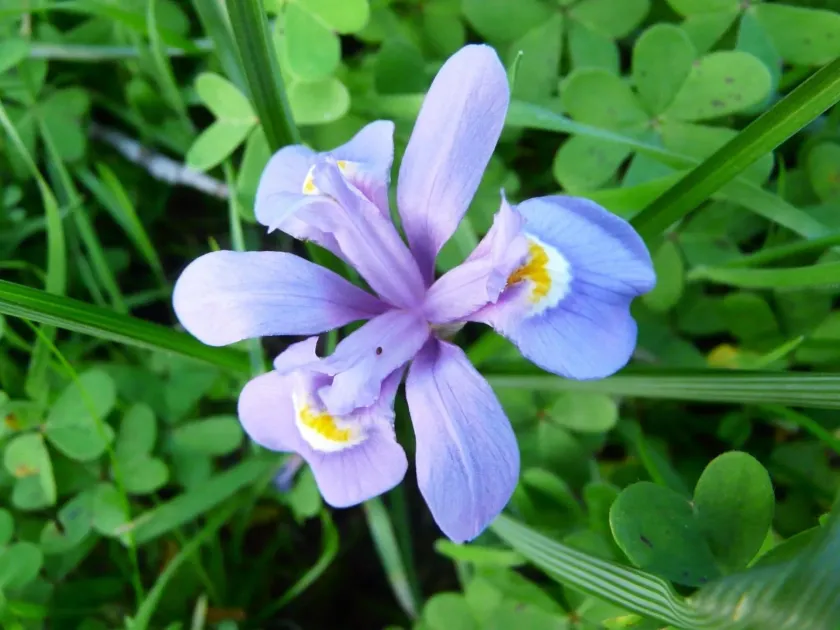
Description
Sowing dates
Planting the bulbs of Moraea sisyrinchium should ideally take place in the autumn, allowing the plants to establish a healthy root system before the onset of the winter dormancy period.
In colder climates, planting may be delayed until early spring when the ground has sufficiently thawed and warmed up, ensuring the bulbs do not rot in freezing, wet soil.
The optimal planting depth is approximately 5 to 8 centimeters, which provides enough insulation while allowing the shoots to emerge easily during the early spring growth phase.
Spacing between bulbs should be maintained at around 10 to 15 centimeters. This ensures adequate airflow around the foliage, which is essential for preventing common fungal issues.
Choosing a site with full sun exposure is critical for the success of this crop, as it thrives in bright, open areas similar to its natural Mediterranean habitat.
Growing requirements
Moraea sisyrinchium requires well-draining soil, ideally of a sandy or gritty composition. Heavy clay soils should be avoided or amended with drainage material to prevent waterlogging.
This species is highly drought-tolerant, making it an excellent candidate for low-maintenance garden beds. Minimal irrigation is required once the plant is well-established.
The soil pH should ideally be neutral or slightly alkaline. In acidic soil conditions, some gardeners find that adding agricultural lime can improve the overall performance of the bulbs.
While the plant is hardy in many zones, it benefits from a layer of mulch in regions that experience heavy frost to protect the bulbs from extreme temperature fluctuations.
Fertilization should be handled with care; a light application of a balanced slow-release fertilizer at the start of the growing season is usually sufficient for optimal flowering.
Main diseases and pests
The most significant threat to this bulbous plant is excessive soil moisture, which often leads to fungal rot. Ensuring perfect drainage is the most effective preventative measure.
Insects like thrips and aphids can occasionally target the leaves and flower stalks. If an infestation is detected, insecticidal soaps or neem oil can be used to control populations.
Gastropods such as slugs and snails are a common concern in damp conditions, often grazing on young, tender sprouts shortly after they emerge from the soil in spring.
Botrytis or other fungal leaf spots can appear if the plants are kept too crowded or if the ventilation is poor, necessitating the use of systemic fungicides.
Proper sanitation, including the removal of dead foliage at the end of the season, helps reduce the risk of overwintering pathogens in the garden soil.