
Moraea ramosissima
Moraea ramosissima
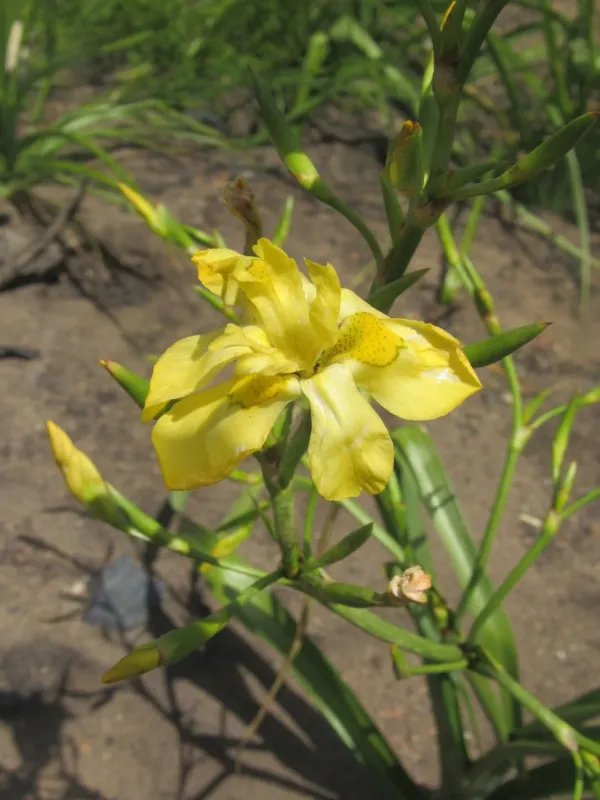
Description
Sowing dates
Moraea ramosissima is a cormous perennial that requires careful attention during the propagation stage. Seeds should be sown in late winter in a well-draining sandy substrate to ensure optimal aeration and prevent water stagnation.
The germination phase requires consistent temperatures between 15 and 20 degrees Celsius. Keep the containers in a bright location, but protect them from direct midday sun to prevent the delicate seedlings from scorching.
Vegetative propagation via offsets is the standard commercial method for this species. Offsets should be planted at a depth of approximately 5 to 8 centimeters during the onset of the growing season to allow for proper root development.
The timing of planting outdoors is strictly dictated by local climate conditions, as this plant is not frost-hardy. Greenhouse or container cultivation is highly recommended to manage the environment effectively.
Soil preparation should focus on structural porosity. Incorporating inorganic amendments like coarse sand or perlite ensures the drainage necessary to keep the corms healthy during the initial stages of growth.
Growing requirements
As a member of the Iridaceae family, Moraea ramosissima thrives in regions with Mediterranean-like climates. It demands full sun exposure to trigger flowering and to facilitate the accumulation of energy reserves in the corms.
The soil should be neutral or slightly acidic and must provide excellent drainage. Clay-heavy soils are unsuitable as they promote water retention, which inevitably leads to the decay of the underground parts of the plant.
Watering management is vital; plants require moderate moisture during the active vegetative growth period. Once the flowering cycle concludes and the foliage begins to yellow, moisture levels must be significantly reduced.
During the dormancy period, the plant prefers dry conditions. Proper storage of corms involves keeping them in a cool, airy place at temperatures ranging from 5 to 10 degrees Celsius to prevent premature sprouting.
Regular maintenance involves keeping the area around the plants clear of weeds that might compete for nutrients or restrict airflow. Improved ventilation reduces the humidity around the foliage and minimizes the risk of pathogens.
Main diseases and pests
Fungal diseases such as fusarium wilt and various soft rots are the most common threats to the plant. These are primarily caused by excessive soil moisture and poor drainage conditions during the growth phase.
Pests such as thrips and spider mites can infest the foliage, particularly under dry, indoor conditions. Early detection followed by the application of appropriate systemic insecticides is necessary to prevent significant damage.
Root-knot nematodes can inflict damage on the corms, leading to stunted growth and reduced vigor. Ensuring that the propagation material is clean and certified free of pests is the primary defense strategy.
Slugs and snails often target young shoots and leaves. The use of slug pellets or physical barriers is an effective strategy in moist climates or during wet growing seasons to protect the tender foliage.
Preventative practices include sterilizing soil substrates and maintaining strict hygiene in the cultivation area. By removing dead or diseased plant tissue promptly, the spread of infection can be effectively contained.