
Moraea xerospatha
Moraea xerospatha
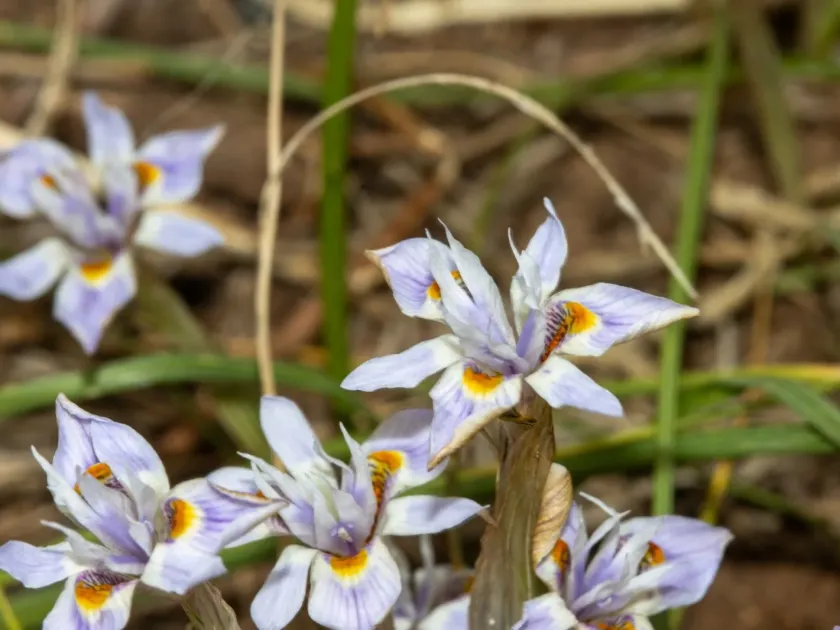
Description
Growing requirements
Moraea xerospatha is a distinct species within the Iridaceae family. This ornamental geophyte is highly valued for its unique floral architecture and its specialized adaptation to Mediterranean-like climatic conditions, primarily originating from the southern regions of Africa.
The plant grows from a corm, which serves as an energy storage organ, allowing it to survive periods of intense drought. Understanding this biological cycle is critical for successful cultivation, as the plant necessitates a dry dormant season to thrive during its growth phase.
Cultivation requires sandy, well-draining soil to prevent the accumulation of water around the corms. A pH level between slightly acidic and neutral is ideal. If the soil is too heavy, the addition of grit or coarse sand is necessary to ensure adequate oxygenation of the root zone.
High levels of solar radiation are essential for the healthy development of Moraea xerospatha. In climates where frost is common, greenhouse cultivation is recommended, as the species lacks the hardiness required to survive freezing temperatures in open ground.
Maintenance involves diligent watering only during the active growing season. Once the foliage begins to yellow after the flowering stage, irrigation should be strictly withheld to induce a period of dormancy, which is vital for the plant to set buds for the following year.
Main diseases and pests
Fungal infections, particularly root rot, are the primary physiological threat to Moraea xerospatha. These diseases are almost always linked to poor drainage or overwatering, which creates a favorable environment for pathogens to attack the corm base.
Insect pests, such as spider mites and thrips, are common adversaries. They cause damage by feeding on the leaf sap, leading to chlorosis, stunted growth, and a significant reduction in the aesthetic value of the inflorescences.
Effective management includes the use of specialized systemic insecticides and fungicides. It is recommended to treat the corms prior to planting to prevent soil-borne infections and ensure a healthy start for the season.
Crop rotation and keeping the planting area free from debris are essential practices. Good aeration and spacing between plants help to minimize humidity around the foliage, which is a major factor in preventing the spread of fungal spores.
Regular monitoring of the planting site is crucial. Early identification of stress signs, such as wilting or unnatural discoloration, allows for immediate corrective actions, such as adjusting irrigation or applying appropriate pest control measures.