
Neomarica gracilis
Neomarica gracilis
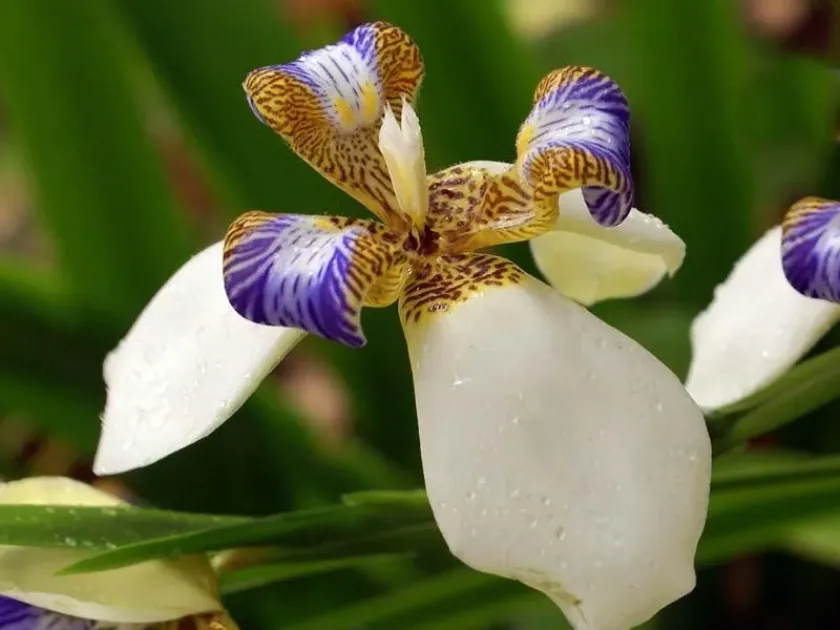
Description
Growing requirements
Neomarica gracilis, commonly known as the walking iris, is a member of the Iridaceae family. It is native to the tropical forests of South America, primarily inhabiting Brazil, where it thrives in moist, shaded conditions.
Botanically, the plant is recognized for its fan-shaped foliage and its unique habit of producing new plantlets at the tips of flower stalks, which eventually bow down and root in the soil.
The plant requires bright, indirect sunlight to maintain its vibrant green foliage. Direct sunlight can scorch the leaves, leading to irreversible damage and reduced aesthetic quality.
Ideal soil for cultivation should be rich in organic matter, well-draining, and slightly acidic. A mix of peat, perlite, and bark is often recommended to prevent moisture retention at the root zone.
Temperature management is key, with an ideal range between 18°C and 25°C. The species is highly sensitive to frost and should be kept in protected environments during colder seasons.
Main diseases and pests
Neomarica gracilis is susceptible to common indoor pests, most notably spider mites, which flourish in low-humidity environments. Regular misting can help prevent their colonization.
Root rot is the most common and damaging condition, typically caused by overwatering. It is essential to allow the top layer of the soil to dry out significantly between irrigation intervals.
Mealybugs and scale insects may also infest the plant, hiding in the base of the leaves. Manual removal or the use of neem oil can be effective in controlling minor infestations.
Poor ventilation can lead to fungal issues, including leaf spots. Providing adequate airflow around the plant is a critical cultural practice to ensure long-term health and vigor.
- Monitor leaf tips for browning, which may indicate poor water quality or low humidity.
- Inspect the undersides of leaves weekly for signs of insect activity.
- Avoid using heavy, clay-based soils that retain too much moisture.
- Ensure containers have sufficient drainage holes to prevent waterlogged roots.
- Quarantine new plants to avoid introducing pests to your collection.