
Moraea lewisiae
Moraea lewisiae
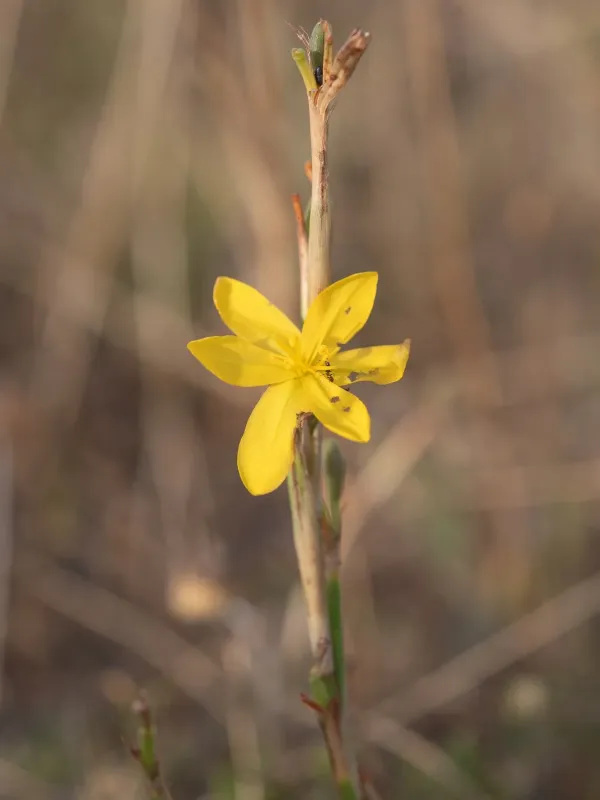
Description
Growing requirements
Moraea lewisiae is a botanical species belonging to the Iridaceae family, native to the Cape region of South Africa, where it thrives in specific ecological niches.
As a cormous geophyte, the plant develops a root system adapted to dry summers and moist winters, which dictates the fundamental requirements for its successful cultivation.
The soil substrate must be exceptionally well-draining, mimicking the gritty, sandy soils of its natural habitat to prevent the accumulation of moisture around the dormant corm.
It requires high light intensity, ideally full sun exposure, to maintain its compact growth habit and to promote the development of its distinctive floral structures.
Temperature management is vital; since the species is not frost-hardy, it must be protected from temperatures below freezing, typically grown in containers in non-Mediterranean climates.
Main diseases and pests
The primary threats to Moraea lewisiae involve pathogens associated with waterlogged environments, such as Pythium or Phytophthora root rots.
Insects like aphids and thrips can cause significant damage to foliage and flower buds, negatively impacting the plant's health and aesthetic value.
Proper ventilation is a critical aspect of plant health, as stagnant air creates a humid microclimate conducive to the rapid spread of fungal diseases.
Regular monitoring of the corms during the dormant period is necessary to detect any early signs of storage rot or desiccation caused by improper humidity levels.
Integrated pest management, including the use of targeted systemic insecticides and fungicides, is recommended if symptoms of infestation or infection appear.