
Moraea
Moraea hybrids
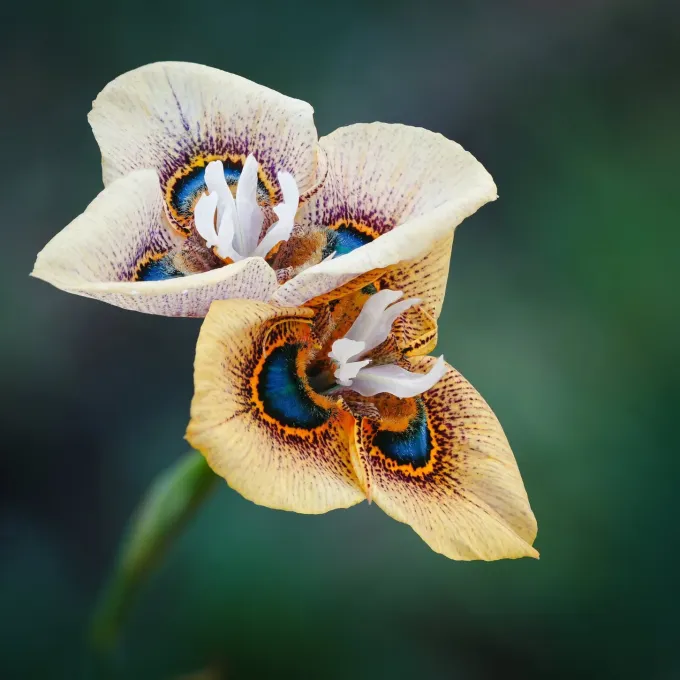
Description
Sowing dates
Moraea (lat. Moraea) is a member of the large Iridaceae family. In horticultural and agricultural practice, various hybrids are grown, propagated through both seeds and vegetative methods.
Seed sowing for Moraea is typically conducted in autumn under greenhouse conditions to ensure the necessary natural stratification for successful germination.
In temperate regions, seeds are sown into containers filled with a light, well-draining substrate, taking care to avoid planting them too deep.
When using vegetative propagation, offsets or daughter corms are separated from the parent plant during the dormant phase, which occurs after the growth cycle concludes.
The optimal time for planting corms into open ground is early spring, once the threat of night frost has passed and the soil has reached 10–12 degrees Celsius.
Growing requirements
Originating from Southern Africa, Moraea has specific requirements regarding light exposure and soil drainage to thrive successfully.
The plant requires sunny, wind-protected locations where there is absolutely no risk of waterlogging, which is critical for root health.
The soil should be neutral or slightly acidic and have high permeability to prevent corm rot, especially during the wetter winter months.
Strict adherence to irrigation schedules is a vital component of cultivation: active watering is only necessary during the growth and flowering stages.
During the summer dormancy period, when the foliage dies back, the soil must be kept almost dry to replicate the natural drought conditions of the species' native habitat.
Main diseases and pests
Fungal diseases are the primary threat to Moraea, usually caused by overwatering or poor drainage leading to excess moisture in the root zone.
Root and stem rot are the most common issues, which can cause rapid deterioration and death of the corm and the entire plant.
Among pests, thrips and spider mites are the most troublesome, particularly when thriving in the low-humidity conditions of greenhouse environments.
Effective disease prevention includes pre-planting treatment of corms with fungicides and ensuring regular ventilation of the growing area.
Pest management relies on the application of appropriate insecticides and acaricides, applied promptly at the first sign of foliage infestation.