
Moraea citrina
Moraea citrina
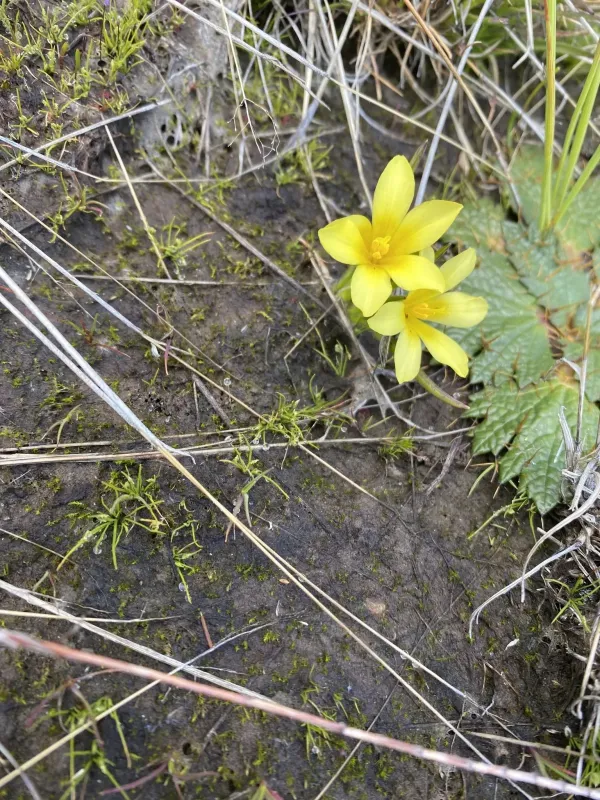
Description
Growing requirements
Moraea citrina is an elegant perennial herbaceous plant belonging to the Iridaceae family. Unlike traditional irises, this plant develops a firm corm, which acts as a storage organ for nutrients during the dormant season, characteristic of many geophytes from the Southern Hemisphere.
The natural habitat of this species is found in the arid regions of South Africa. The plant is evolutionarily adapted to a Mediterranean-style climate, featuring wet, mild winters and hot, dry summers, which dictates its specific needs in an agricultural or horticultural setting.
Successful cultivation requires well-draining, light, sandy, or gritty soils with a neutral to slightly acidic pH level. Waterlogging in the root zone is lethal to this species and can cause corm rot within a very short period if drainage is not properly managed.
This plant is highly light-demanding and thrives in open areas with full, direct sun exposure for the majority of the day. In temperate climates, it is typically grown as a container plant or in greenhouses, as it lacks cold tolerance and must be protected from freezing temperatures.
During the active growth phase, Moraea citrina requires consistent but moderate irrigation. Once flowering ceases and the foliage begins to senescence, watering should be gradually reduced and eventually stopped, allowing the plant to enter a necessary period of complete dormancy.