
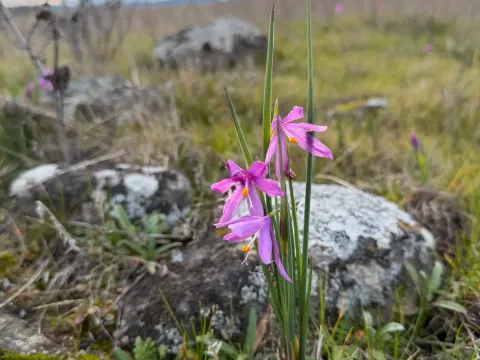
Olsynium
Olsynium
Sowing Olsynium seeds is most successful when performed in the autumn, allowing the seeds to undergo natural stratification during the winter months.
What the section contains

Olsynium
When starting seeds indoors, use a well-draining soil mix and keep the containers in a cool location until germination begins to ensure plant vigor.
Seeds should be covered with only a thin layer of fine soil as they require exposure to light to trigger the germination process effectively.
Seedlings develop slowly, so patience is required. Once the second set of true leaves appears, the young plants can be gradually hardened off.
Vegetative propagation by dividing existing clumps is also a common method, best performed in early spring as the plant emerges from dormancy.
Olsynium is a genus of perennial plants belonging to the Iridaceae family, naturally found in diverse environments across the Americas.
The plant thrives in full sun exposure, which is critical for strong stem development and consistent annual flowering in the garden.
Soil structure is paramount for success; Olsynium requires excellent drainage to protect its root system from waterlogging during dormant periods.
While tolerant of varied soil pH levels, it performs best in neutral to slightly acidic soils that are rich in organic matter but not overly dense.
In terms of climate, it adapts to a wide range of temperate conditions, provided that protection from severe winter frost is offered in colder zones.
Fungal pathogens are the most significant threat to the health of Olsynium, especially in regions with high humidity or poor soil drainage.
Root rot is a common issue resulting from overwatering, which necessitates careful monitoring of soil moisture levels throughout the growing season.
Pests like aphids and spider mites may occasionally infest the foliage, particularly during hot and dry spells, leading to weakened plant growth.
Maintaining good air circulation between plants is a vital cultural practice to prevent the buildup of fungal spores and reduce pest pressure.
If an infestation or infection is detected, prompt removal of affected material and application of appropriate treatments will help restore plant health.