
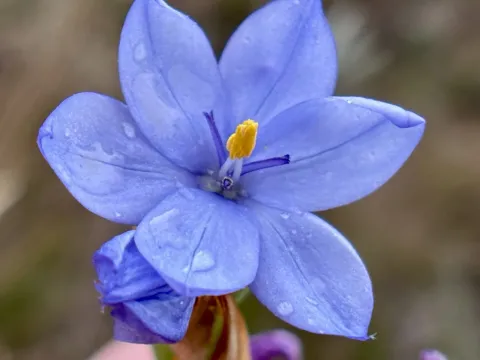
Orthrosanthus
Orthrosanthus
Sowing Orthrosanthus seeds is typically done in early spring once soil temperatures reach 15–18 degrees Celsius. Using a well-draining seed-starting mix is essential for healthy germination and early development.
What the section contains


Orthrosanthus
The seeds often benefit from a short period of stratification, kept in cool, moist conditions for 2–4 weeks prior to sowing. Seeds should be covered lightly with soil, at a depth of approximately 1–2 centimeters.
Vegetative propagation via clump division is the preferred method for established plants, carried out after the flowering cycle. This ensures the roots have time to establish before the dormancy period begins.
Proper spacing, typically 30–40 centimeters apart, is vital to prevent overcrowding. This distance ensures adequate airflow, which is critical for reducing humidity-related issues within the foliage.
Seedlings need consistent moisture during the first several weeks of growth. However, drainage must be excellent, as stagnant water will quickly cause root rot, especially in younger, more delicate specimens.
Orthrosanthus thrives in full sun, which promotes vigorous growth and prolific flowering. While it can tolerate partial shade, its structural integrity is strongest when grown under bright, direct light.
The ideal soil is loamy or sandy with a neutral to slightly acidic pH level. Good drainage is non-negotiable, as the plant is sensitive to waterlogged conditions, particularly during the winter months.
Once established, the plant is remarkably drought-tolerant, making it an excellent choice for xeriscaping or low-maintenance gardens. Supplemental irrigation is only necessary during extended heat waves.
A balanced fertilizer applied once in early spring is usually sufficient to support the season's growth. Soil preparation with organic matter, such as well-rotted compost, improves structure and nutrient availability.
In colder regions, winter protection is required to prevent frost damage to the crown. Applying a thick layer of mulch around the base of the plant provides the necessary insulation against freezing temperatures.
This genus is generally hardy, but it is susceptible to root rot if grown in heavy or water-saturated soils. Proper site selection and drainage management are the primary defenses against these fungal pathogens.
Thrips and spider mites are the most common pests, often appearing during hot and dry weather. They damage the foliage by feeding on cell sap, requiring timely intervention with appropriate horticultural soaps or oils.
Slugs and snails may occasionally feed on young, succulent leaves during damp weather. Using physical barriers or bait traps is effective in managing these populations without harming the wider garden environment.
Fungal leaf spots can occur if airflow is insufficient. Pruning away damaged or diseased leaves promptly helps to keep the plant vigorous and reduces the spread of spores throughout the garden.
Integrated pest management, including regular inspection and maintaining garden hygiene, remains the most sustainable way to manage potential threats to the crop's health and aesthetic appeal.