
Moraea ciliata
Moraea ciliata
Description
Growing requirements
Moraea ciliata is a perennial bulbous plant belonging to the Iridaceae family. Native to the Cape region of South Africa, it is well-adapted to Mediterranean-type climates, characterized by cool, wet winters and dry, dormant summers.
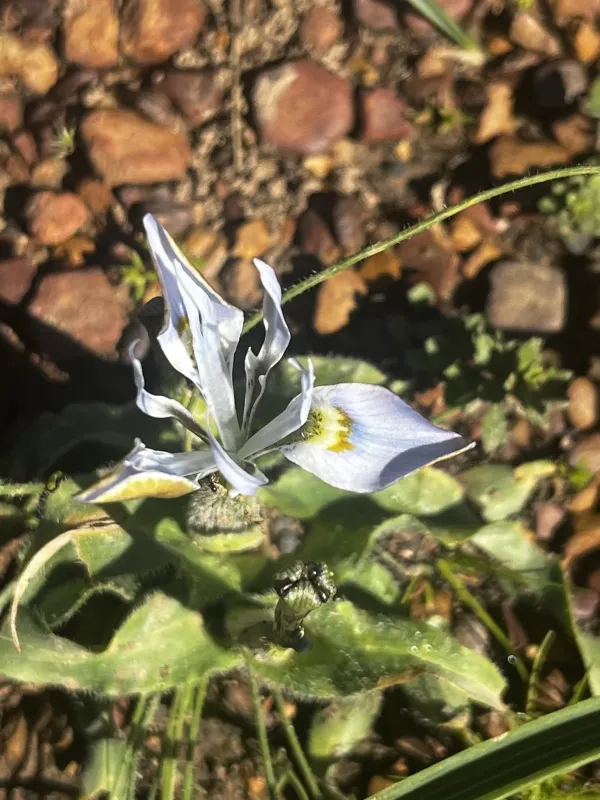
Botanically, the plant develops from a corm covered in fibrous tunics. The leaves are typically narrow and feature fine, hair-like cilia along the margins, which serves as a distinguishing feature. The flowers exhibit a delicate structure with three large outer segments and three smaller inner ones, often adorned with colorful, contrasting nectar guides.
Cultivation requires well-drained, sandy soils that mimic the plant's natural habitat. Ensuring high levels of aeration is paramount, as the corms are highly susceptible to root rot if left in saturated conditions for prolonged periods. Soil pH should ideally be neutral or slightly acidic to promote nutrient absorption.
Climate requirements involve significant light intensity, as the plants struggle and become etiolated under low-light conditions. Providing a distinct dry season is mandatory for the corm to successfully enter dormancy, which is necessary for triggering the next growth and flowering cycle.
In terms of economic and practical use, Moraea ciliata is primarily categorized as an ornamental plant. It is widely prized by botanical enthusiasts and specialized collectors. It is often grown in containers or alpine houses where the specific environmental conditions necessary for its survival can be precisely managed.
Main diseases and pests
Fungal pathogens, particularly Fusarium and Phytophthora, are the primary biological threats to this crop. These pathogens thrive in poorly drained substrates and often result in the rapid decay of the corm. Maintaining strict irrigation protocols and using high-quality potting mixes are the most effective prevention strategies.
Pest pressure often comes from common greenhouse pests such as aphids and thrips. These insects feed on the succulent parts of the plant, potentially transmitting viruses or causing physical damage to the leaves and developing buds. Integrated pest management, including monitoring and timely insecticidal intervention, is recommended to maintain crop health.