
Moraea polystachya
Moraea polystachya
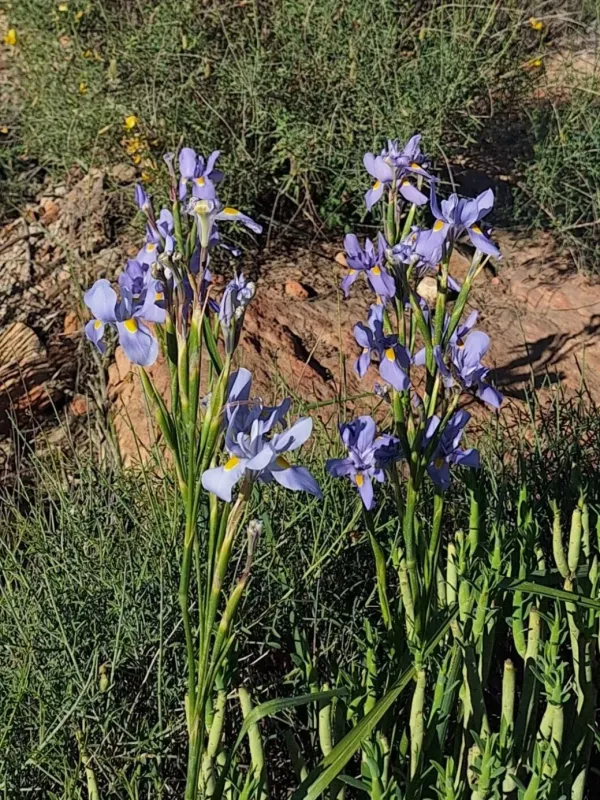
Description
Sowing dates
Sowing seeds of Moraea polystachya is typically done in the autumn to align with the plant's natural growth cycle in its native Southern African habitat. Seeds require a cooling period to break dormancy effectively.
The ideal substrate for sowing is a porous, well-draining mix containing a high proportion of horticultural sand. Seeds should be sown shallowly, about 1 centimeter deep, to ensure proper light exposure for emerging seedlings.
Germination is often asynchronous, so maintaining constant moderate moisture without waterlogging is crucial. Seed trays should be kept in a well-ventilated area with temperatures around 15–20 degrees Celsius.
For vegetative propagation, offsets or daughter corms should be planted during the plant's dormant phase. This allows the corm to stabilize and develop a healthy root system before the active leaf-producing season begins.
Proper spacing during planting is necessary to provide adequate airflow between plants, which significantly reduces the risk of fungal infections in the crowded foliage.
Growing requirements
Moraea polystachya, a member of the Iridaceae family, is a heliophilic plant that demands full sun exposure to thrive. Inadequate light results in weak, leggy growth and minimal or no flower production.
The soil must be well-aerated and possess exceptional drainage characteristics. Heavy clay soils are unsuitable and must be amended with grit or perlite to prevent root rot during the rainy season.
The climate requirements include a distinct wet growing season followed by a dry dormant season. The plant is not frost-tolerant and must be protected from freezing temperatures in colder regions.
Nutrient requirements are moderate; a balanced fertilizer low in nitrogen is recommended during the early growth stage. Over-fertilization can weaken the structural integrity of the flower stalks.
Watering should be withheld completely during the summer dormancy period. The corms require high temperatures and dryness to mature properly and prepare for the next season's flowering cycle.
Main diseases and pests
Fungal rots are the most common cause of mortality in Moraea polystachya, particularly caused by Fusarium species. These pathogens thrive in stagnant, wet conditions and can destroy the corm rapidly.
Pests such as spider mites and aphids frequently target the foliage during dry periods. These pests can cause significant sap loss, leading to yellowing and stunted growth if left unmanaged.
Root-knot nematodes can infect the corm tissue, reducing the plant's vigor and creating entry points for soil-borne pathogens. Using sterile potting media is a primary preventive measure.
Integrated pest management includes the regular application of systemic fungicides and miticides during the growth phase. Early detection through weekly plant inspections is essential for control.
Maintaining high hygiene standards by removing dead or decaying leaves promptly prevents the buildup of fungal spores and minimizes the attractiveness of the plant to secondary pests.