
Moraea mediterranea
Moraea mediterranea
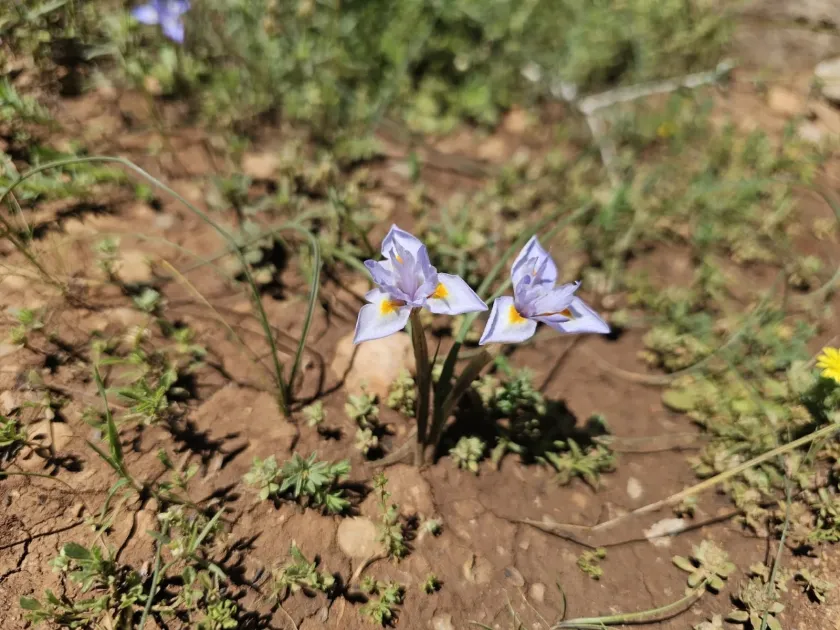
Description
Sowing dates
Planting of Moraea mediterranea bulbs in open ground with mild climates is primarily carried out in the autumn, approximately a month before the onset of persistent frosts. This allows the plant to form a strong root system before entering the active dormant period.
If regional climatic conditions involve severe winters, it is recommended to plant in the spring once the soil has warmed to 10-12 degrees Celsius. The optimal planting depth for the bulbs is between 8 and 12 centimeters, depending on the soil type.
An important factor during sowing is the distance between plants, which should be at least 15-20 centimeters to ensure sufficient air circulation. Excessive crowding of plantings promotes the development of fungal diseases.
To accelerate germination, some gardeners practice pre-soaking the planting material in growth stimulant solutions. This increases germination vigor and strengthens the seedling immunity during the initial stages of vegetation.
When using seed propagation, sowing is carried out in seed trays at the end of winter. The seeds require stratification, which leads to more uniform and higher quality sprouts for subsequent transplanting into the soil.
Growing requirements
Moraea mediterranea is a member of the Iridaceae family that has specific growth requirements. The plant prefers well-lit areas, as flower stalks become elongated in the shade and flowering intensity decreases significantly.
The culture is moderately demanding regarding soil composition: it needs loose, well-drained substrates with a neutral or slightly acidic reaction. Water stagnation in the root zone is fatal for bulbs and quickly leads to rotting.
During the active growth period, Moraea needs regular but moderate watering. Waterlogging of the soil promotes pathogenic microflora, so in heavy clay soils, it is necessary to add sand or gravel to improve aeration.
The crop responds positively to potassium-phosphorus fertilizers during the budding period. Nitrogen fertilizers should be applied sparingly, as an excess leads to excessive vegetative growth at the expense of flower quality.
The plant has moderate frost resistance, so in regions with low winter temperatures, reliable mulching is required. This creates a stable temperature regime for the bulbs, preventing them from freezing.
Yield
The economic value of Moraea mediterranea lies in its high ornamental potential, which allows the plant to be used in landscape design and floristry. Yield in this context is measured by the number of marketable flower stalks per unit area.
With proper cultivation techniques, a single mature plant can form several stems that bloom sequentially. Intensive vegetative propagation of daughter bulbs allows for increasing the planting area annually, which improves the overall productivity of the flower plot.
To obtain the maximum yield of high-quality planting material, it is recommended to dig up bulbs every 3-4 years. This prevents degradation of the parent plant and ensures a high multiplication rate for the crop.
Proper care of the aerial part after flowering until it completely dies back contributes to the accumulation of nutrients in the bulb. The better the preparation of the plant for dormancy, the higher the future yield of flower stalks will be.
Commercial cultivation requires crop rotation, as the accumulation of soil-borne infections in a monoculture sharply reduces flowering performance and the overall condition of the planting material.
Main diseases and pests
Among the main diseases of Moraea mediterranea, the most dangerous are rots of various etiologies that affect the base of the bulb when moisture management is violated. Symptoms include yellowing leaves, stunted growth, and plant death.
Fusarium and gray mold often occur due to soil waterlogging combined with low temperatures. Prevention involves disinfecting planting material with fungicides before planting and ensuring ideal drainage.
Among pests, thrips and root mites cause the most damage. These insects damage plant tissues, sucking out juices and creating entry points for secondary fungal and bacterial infections.
For pest control, systemic insecticides are used during the active vegetation period at the first signs of infestation. Regular inspection of plants helps identify threats at an early stage and minimize losses.
Nematodes can also pose a serious threat to plantings. The only effective control method is the culling of infected specimens and strict quarantine for new planting material.
Harvesting
Harvesting Moraea mediterranea bulbs is performed after the aerial part of the plant has completely yellowed and dried. During this period, the bulb is in a dormant state, which ensures better preservation during storage.
After digging, the bulbs are cleaned of soil and dried in a well-ventilated, shaded place for several days. It is important to avoid direct sunlight, which can cause tissue sunburn.
After drying, the material is sorted, removing damaged, rotten, or infected specimens. Healthy bulbs are graded by size for more uniform flowering during subsequent planting.
Storage is carried out in dry, cool rooms at a temperature of 15-18 degrees Celsius. It is important to ensure sufficient ventilation to prevent mold growth inside storage containers or boxes.
If long-term transportation or storage is necessary, the planting material is covered with dry sand or sawdust. This helps maintain optimal humidity and prevents the bulb base from drying out.