
Moraea collina
Moraea collina
Description
Growing requirements
Moraea collina is a bulbous perennial belonging to the Iridaceae family, native to the Western Cape region of South Africa, where it thrives in open, sunny habitats.
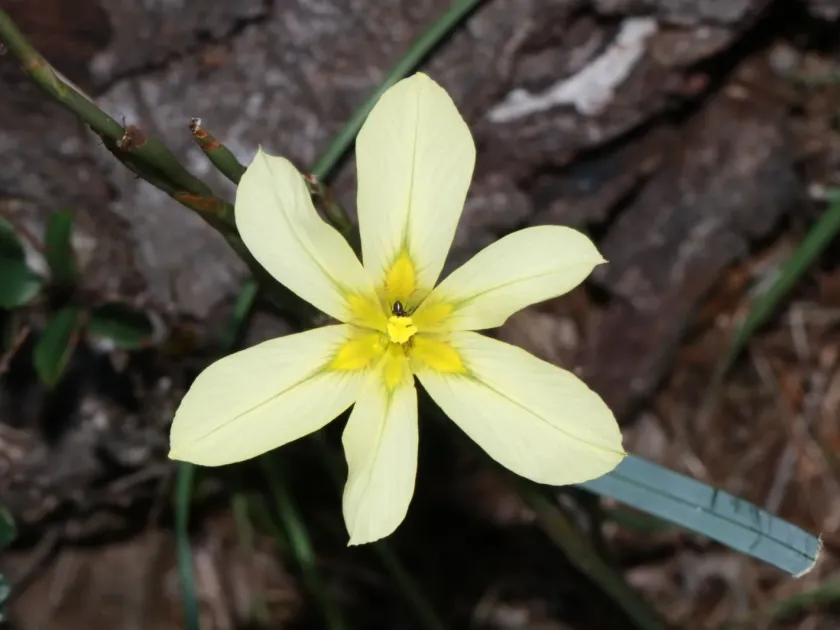
The plant features slender leaves and typically produces bright, iris-like flowers, which are well-adapted to the rocky and sandy soils of its natural range.
Cultivation requires a mediterranean-style environment, characterized by a cool, moist growing season and a hot, dry dormant season during the summer months.
Ideal soil conditions must be extremely well-draining; a mixture of loam, sand, and grit is recommended to prevent waterlogging and bulb rotting.
While often grown in containers due to its specific climate needs, it can be naturalized in frost-free gardens with well-prepared, nutrient-poor, gritty soils.
Main diseases and pests
The most significant threat to Moraea collina is fungal infection of the corms, particularly species of Botrytis and Fusarium, which thrive in stagnant, wet conditions.
Leaf spot diseases can occur during periods of high humidity, necessitating the use of fungicides and ensuring good air circulation around the foliage.
Pests like aphids are common in the early spring, potentially spreading viruses that cause foliage streaking and severely stunt plant growth.
Spider mites can be a persistent issue in greenhouse environments, feeding on the undersides of leaves and leading to loss of vigor and photosynthetic capacity.
Regular monitoring of moisture levels is crucial, as avoiding excess irrigation is the primary method for preventing both biotic and abiotic stress in this species.