
Moraea spathulata
Moraea spathulata
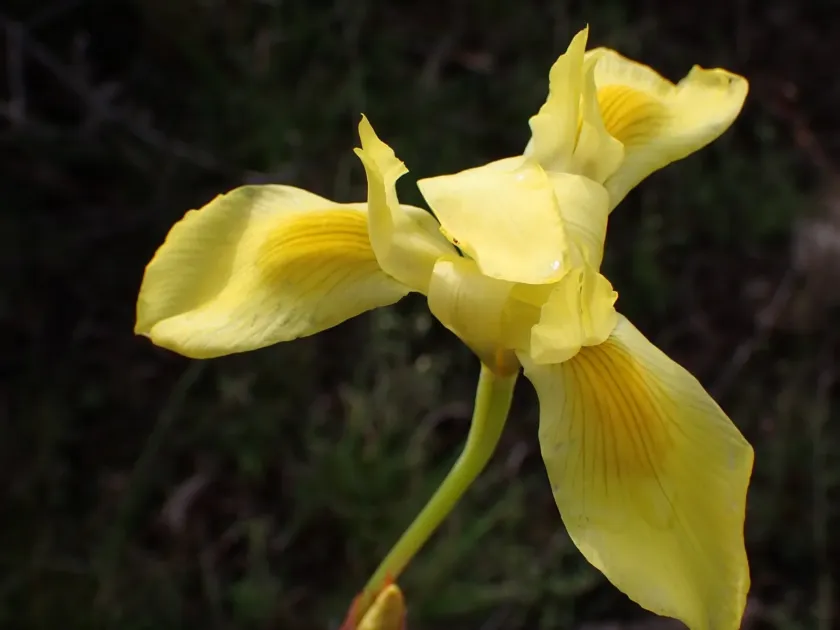
Description
Growing requirements
Moraea spathulata is a perennial herbaceous plant belonging to the Iridaceae family. Native to the southern regions of Africa, this plant has adapted to survive in diverse environmental conditions ranging from grassy slopes to rocky outcrops.
The plant thrives in locations with full sun exposure, which is essential for triggering the formation of its characteristic vibrant blooms. Adequate light intensity is critical for maintaining the plant's structural integrity and foliage health.
Regarding soil requirements, the culture prefers a well-draining, sandy or loamy substrate that allows water to pass through freely. Excessively dense soil leads to root asphyxiation and the development of fatal bacterial infections.
In terms of climate, Moraea spathulata exhibits moderate drought tolerance during its dormant phase, reflecting its evolutionary origin in climates with distinct wet and dry seasons. It does not tolerate prolonged frost and requires protection in cold regions.
Agricultural management includes a period of rest where irrigation must be drastically reduced to mimic the natural dry season of its habitat, allowing the rhizomes to survive until the next growing cycle begins.
Main diseases and pests
The primary threats to Moraea spathulata include various root rot pathogens triggered by damp soil conditions. These diseases can rapidly destroy the rhizome structure if the drainage is insufficient.
Pests such as spider mites and thrips are common in environments with low humidity. These insects pierce the leaf tissues, causing yellowing and a significant decrease in the plant's overall aesthetic and metabolic health.
Effective pest management involves early detection through routine monitoring of the lower leaf surfaces where these insects typically colonize before spreading across the entire plant population.
Sanitation practices, such as removing dead or dying foliage, play a significant role in reducing the inoculum density of fungal spores that might otherwise cause leaf blight or spot diseases.
Chemical control should be used as a last resort, utilizing selective acaricides and systemic fungicides to eliminate infestations without disrupting the delicate balance of the plant's immediate ecosystem.