
Moraea ochroleuca
Moraea ochroleuca
Description
Growing requirements
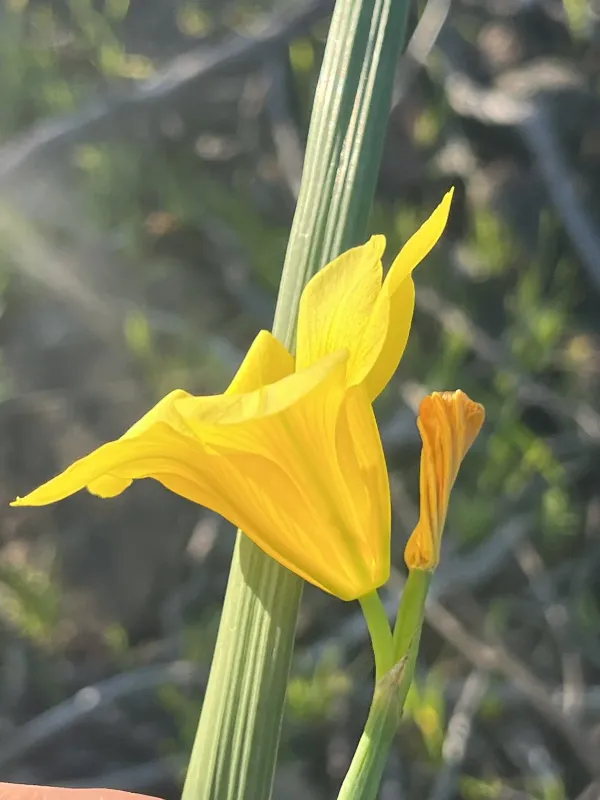
Moraea ochroleuca is an elegant perennial herb belonging to the Iridaceae family. Native to the southern regions of Africa, this plant is characterized by its distinctive pale yellow to ochre flowers, making it a desirable specimen for ornamental horticulture.
Successful cultivation requires well-drained, sandy, or gritty soil conditions that mimic its natural habitat. The plant is highly sensitive to waterlogging, which can cause the root system and corms to rot rapidly, hence the importance of a proper drainage system.
Moraea ochroleuca thrives in full sun exposure. Adequate light is essential for the plant to develop strong flower stems and maintain its foliage vigor. In shaded conditions, the plant tends to become leggy and often fails to produce flowers.
The agricultural management of this species involves a cycle of active growth and dormancy. During the growth phase, irrigation should be moderate to ensure soil moisture, while during the dry dormancy period, water supply must be strictly limited.
In landscaping, this species is frequently used in rock gardens, borders, and specialized container displays. Its architectural form and subtle color palette add significant value to xeriscaping projects and Mediterranean-style landscapes.
Main diseases and pests
Root and bulb rot are the primary threats to the health of Moraea ochroleuca. These issues are almost exclusively related to poor soil drainage or excessive irrigation during the colder or dormant months of the year.
Common pests include aphids and thrips, which can congregate on the developing flower buds and leaves. These insects cause sap loss and can transmit viral pathogens, which are difficult to eradicate once they become systemic within the plant tissue.
Fungal pathogens such as Botrytis may attack the foliage if the air circulation around the plants is insufficient. Ensuring proper spacing between individual plants and maintaining clean cultivation areas helps to mitigate this risk significantly.
Nematodes are another potential underground threat that can affect the plant's ability to take up nutrients. Pre-planting soil analysis and the use of certified healthy planting material are the most effective preventative measures available.
Regular scouting for pest activity is highly recommended for commercial and amateur growers alike. Early detection allows for the application of targeted biological or chemical control methods before the damage becomes irreversible for the entire crop.