
Moraea flaccida
Moraea flaccida
Description
Sowing dates
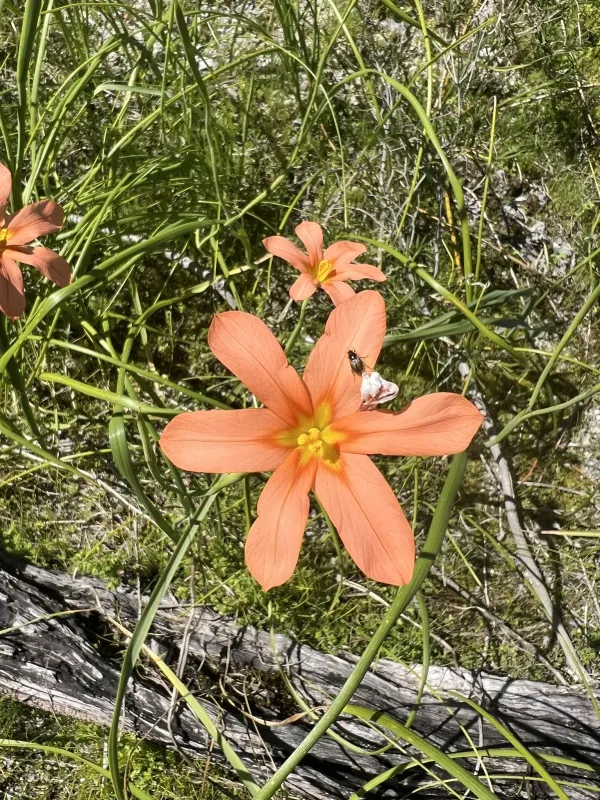
Moraea flaccida, commonly known as the one-leaf cape tulip, is a perennial bulbous plant belonging to the Iridaceae family. It is recognized primarily as a serious agricultural weed rather than a cultivated crop.
The plant reproduces through both seeds and cormels (small daughter bulbs). Seeds are typically released in late spring and early summer, remaining dormant in the soil until the onset of autumn rains triggers germination.
Vegetative propagation via cormels allows the plant to form dense, persistent colonies. Each established bulb can produce several smaller cormels, which rapidly colonize surrounding areas if not disturbed by mechanical means.
The life cycle is highly specialized: the plant emerges in autumn, continues active leaf growth throughout the winter, and flowers in spring before entering a deep summer dormancy as a subterranean bulb.
Agricultural practices focusing on this plant are almost exclusively aimed at eradication. Preventing seed set by mechanical intervention before the plants fully mature is the primary strategy for managing populations.
Growing requirements
Moraea flaccida thrives in Mediterranean-type climates characterized by wet, cool winters and hot, dry summers. This environmental synergy allows the bulb to store energy efficiently during the growing season.
It prefers well-drained, sandy to loamy soils. While it can survive on poorer quality soils, it is most invasive in areas where soil surface cover has been reduced by overgrazing or land degradation.
The plant demonstrates significant tolerance to varying soil pH levels. It does not require specific fertilization and, in fact, often outcompetes native flora in nutrient-limited environments.
Adequate sunlight is essential for the development of robust corms. Dense canopy cover or competitive perennial grasses that shade the soil surface are often sufficient to restrict its establishment.
Water availability is critical during the winter months. Sustained moisture during the growing season leads to increased bulb size and higher reproductive potential for the following year.
Main diseases and pests
The primary concern regarding Moraea flaccida is its high toxicity to livestock, including cattle, sheep, and horses. The plant contains cardiac glycosides that can lead to fatal poisoning if ingested.
It is remarkably resistant to typical fungal and bacterial diseases that affect other ornamental Iridaceae. Its chemical composition serves as a potent deterrent against most plant pathogens.
There are very few natural insect pests that cause significant damage to the plant. This lack of natural biological control agents is a major reason for its successful spread in non-native regions.
Management threats to the plant include deep tillage, which can damage the bulbous root system, and intensive competition from aggressive, fast-growing pasture grasses that minimize available space.
Herbicidal control is often necessary to reclaim infested pastures. Effective programs involve integrated management, combining chemical treatments with managed grazing to prevent further bulb development.