
Selenicereus calcaratus
Selenicereus calcaratus
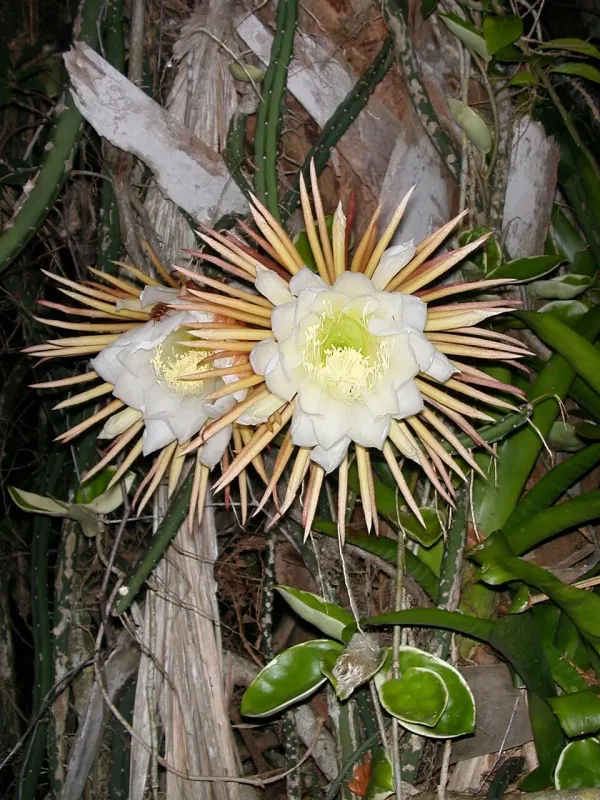
Description
Growing requirements
Selenicereus calcaratus is an epiphytic cactus belonging to the Cactaceae family, native to the humid forests of Costa Rica. As an agricultural crop in specialized settings, it requires high ambient humidity and stable temperatures to mimic its natural tropical environment.
The plant thrives in bright, filtered light. Exposure to intense, direct sunlight can lead to severe damage of the photosynthetic stems. In indoor cultivation, greenhouse shading systems are often used to maintain optimal light intensity throughout the growing season.
Soil requirements involve a highly porous, well-draining substrate. A mixture consisting of orchid bark, high-quality peat, perlite, and a small amount of charcoal is ideal. This composition ensures that the roots receive sufficient oxygen while preventing waterlogging, which is critical for the plant's health.
Watering practices must follow a seasonal cycle. During the growing phase, the soil should be kept consistently moist but not saturated. As the days shorten and temperatures drop, watering is reduced significantly to allow the plant to enter a resting phase, which is vital for physiological balance.
The primary use of this species is ornamental. Due to its long, vigorous stems, it is widely utilized for vertical landscaping, creating dramatic displays in large-scale conservatories and botanical gardens where climbing space is available.
Main diseases and pests
The most common pathological threats to Selenicereus calcaratus are fungal pathogens, specifically Phytophthora and Pythium species, which thrive in poorly drained media. Prevention centers on strict irrigation management and ensuring adequate aeration of the root zone.
Insect pests such as spider mites and mealybugs frequently colonize the crevices of the stems. Because of the plant's succulent nature, systemic insecticides are the preferred method of control, though manual cleaning can be effective for smaller, isolated outbreaks.