
Sclerocactus brevihamatus
Sclerocactus brevihamatus
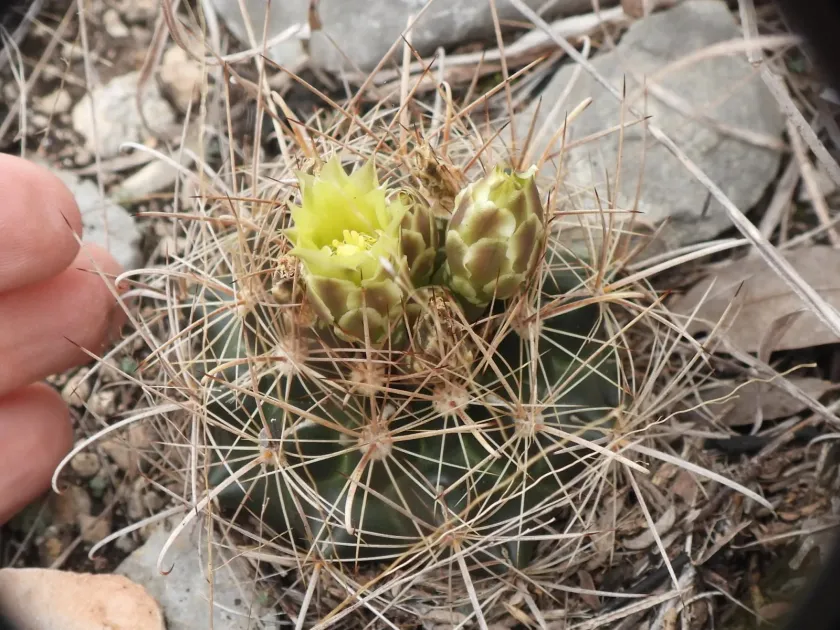
Description
Growing requirements
Sclerocactus brevihamatus is a fascinating species belonging to the Cactaceae family. Native to the arid regions of Northern Mexico and Southern United States, this plant has evolved to survive in harsh, rocky desert environments.
Cultivation of this cactus requires a highly porous, mineral-based substrate. It is essential to use a mix that ensures rapid drainage, as this plant is extremely prone to root rot when exposed to stagnant moisture for prolonged periods.
Regarding environmental needs, the plant requires full sun exposure to maintain its compact growth form and density of spines. Insufficient light leads to etiolation, where the plant stretches and loses its natural aesthetic and structural integrity.
Temperature management is crucial, mirroring the natural diurnal fluctuations of its habitat. During the active growing season, high temperatures are beneficial, while a cool and dry winter dormancy period is strictly necessary to trigger future flowering.
The economic and practical use of this plant is primarily focused on ornamental horticulture and botanical research. It is a prized specimen for cactus collectors who specialize in rare, slow-growing, and drought-tolerant xerophytes.
Main diseases and pests
The most common disease impacting Sclerocactus brevihamatus is root decay, often caused by overwatering or soil that lacks proper aeration. Ensuring that the soil dries out completely between waterings is the primary defense strategy.
In terms of pests, spider mites and root mealybugs are the main concerns for growers. Regular inspection and the application of appropriate horticultural oils or systemic treatments are effective methods to keep these pests under control.