
Sclerocactus polyancistrus
Sclerocactus polyancistrus
Description
Growing requirements
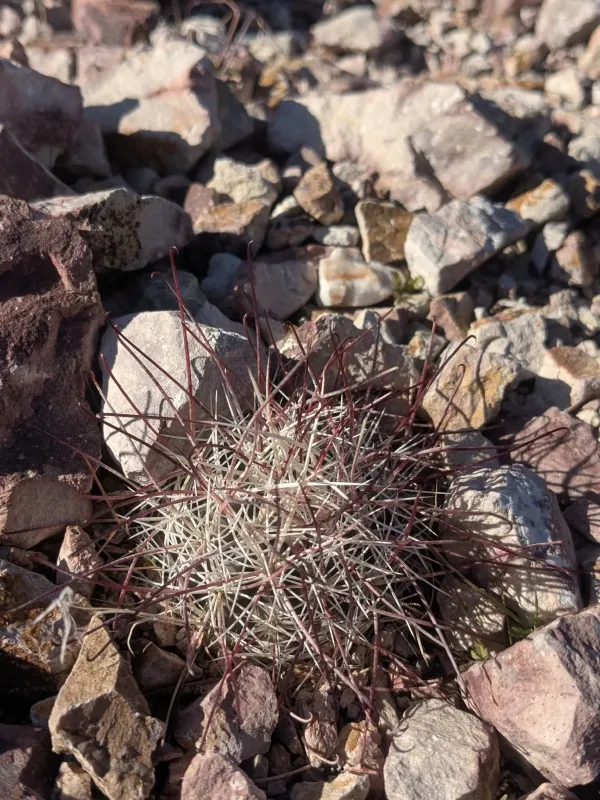
Sclerocactus polyancistrus is a distinct member of the Cactaceae family, native to the Mojave Desert and the Great Basin region. It is highly valued for its striking appearance, characterized by prominent hooked spines that provide protection against desert herbivores.
To cultivate this species successfully, growers must prioritize mineral-based soil mixes. A blend of pumice, coarse sand, and a minimal amount of calcined clay is essential to mimic the rocky outcrops of its natural habitat and ensure rapid drainage.
Light intensity is a critical factor for health and spine development. This plant requires full, direct sunlight throughout the year to maintain its compact form and prevent etiolation, which often weakens the plant structure.
The watering regime must follow the natural seasonal cycle of its native desert environment. During the growing season, water should be applied cautiously after the soil has dried completely, while winter dormancy requires almost total dryness.
Temperature management is crucial, as the plant benefits from a cool winter period to stimulate flowering. Diurnal temperature fluctuations are beneficial, replicating the natural desert cycles that the plant has adapted to over millennia.
Main diseases and pests
Root rot is the most frequent cause of mortality in Sclerocactus polyancistrus, usually resulting from excessive soil moisture combined with poor ventilation.
Pests such as mealybugs, particularly the root-dwelling variants, can cause significant stress and hinder the plant's growth over time.
Applying systemic insecticides is recommended only when an infestation is confirmed, as these plants can be sensitive to chemical treatments.
Proper airflow is the most effective cultural control for both fungal infections and humidity-loving pests in indoor or greenhouse collections.
Regular inspection of the root collar and spine clusters helps to identify early symptoms of distress, allowing for prompt remedial action.