
Sclerocactus wrightiae
Sclerocactus wrightiae
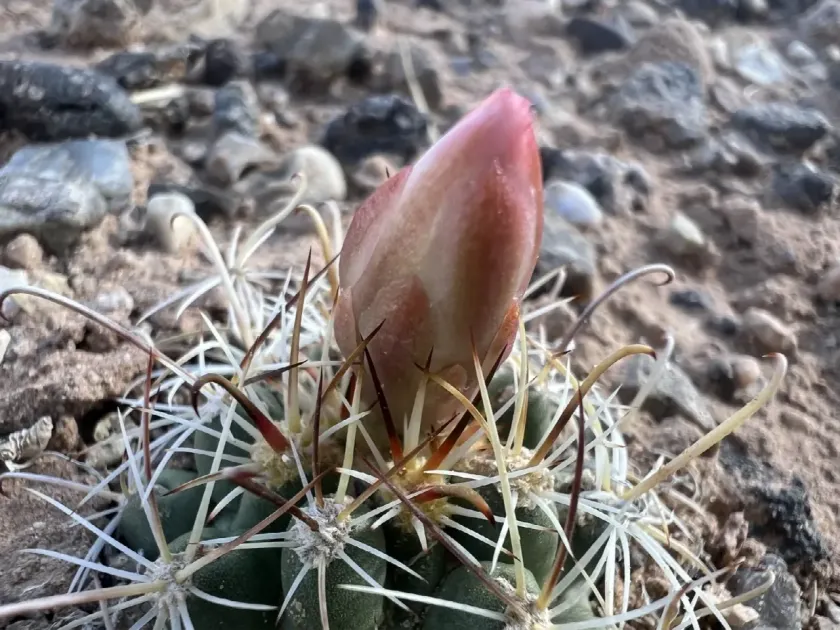
Description
Growing requirements
Sclerocactus wrightiae is a rare and highly sought-after member of the Cactaceae family, native to the arid desert regions of Utah. This small, globular cactus is highly specialized, adapted to living in harsh, rocky landscapes with minimal rainfall.
For successful cultivation, a strictly mineral-based substrate is required. The mixture should consist of coarse sand, crushed rock, and volcanic grit. Any organic matter, such as peat or humus, can lead to fatal root decay and must be excluded from the potting medium.
Sunlight is the primary factor for the health of Sclerocactus wrightiae. It requires intense, full-spectrum light throughout the day. In indoor environments, placing the plant on a south-facing windowsill or using high-intensity LED grow lights is necessary to prevent etiolation.
The watering regime is critical and must be strictly limited to the active growth period. Even then, the soil should be allowed to dry out completely between waterings. During winter, the plant enters a dormancy phase and should be kept completely dry in a cool environment.
Propagation from seed is the standard method, although it is notoriously difficult due to the slow growth rate and specific germination requirements. Seedlings require very careful monitoring to ensure they do not succumb to fungal pathogens during their first year.
Main diseases and pests
Root rot is the most significant threat to this species. It is almost exclusively caused by overwatering or soil mixes that remain damp for too long. Once the root system is compromised, the cactus is rarely salvageable.
Mealybugs represent a major pest risk. They find shelter between the dense spines of the cactus, making them difficult to detect and eradicate. Manual removal using isopropyl alcohol and cotton swabs is often the most effective method of control.
Spider mites can also attack the epidermis of the plant, especially in conditions with low humidity. Infested areas typically show signs of discoloration and scarring, which significantly degrade the aesthetic value of the specimen.
Poor ventilation can lead to the development of black spots, which are fungal infections on the stem surface. Improving airflow around the plant is essential to prevent these localized infections from spreading.
Since Sclerocactus wrightiae is considered an endangered species in its natural habitat, it is vital to source plants only from nurseries that propagate them from seeds, rather than collecting them from the wild.