
Sclerocactus pubispinus
Sclerocactus pubispinus
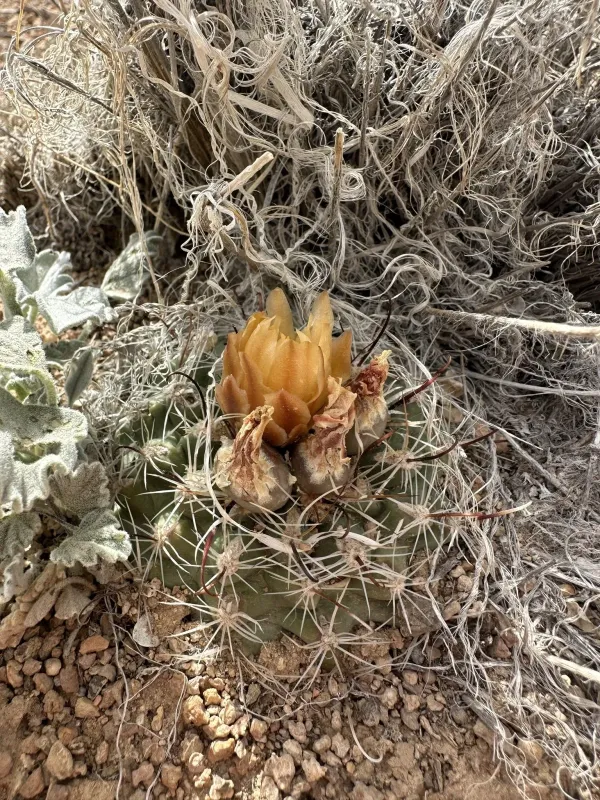
Description
Growing requirements
Sclerocactus pubispinus is a rare species belonging to the Cactaceae family. Originating from the arid, rocky terrains of Utah and Nevada, this plant has adapted to harsh desert environments where it grows in pockets of well-draining soil and gravel.
Successful cultivation requires a mineral-heavy substrate that mimics the plant's natural habitat. A professional mix should contain high ratios of coarse sand, perlite, and small gravel, ensuring that moisture never accumulates around the roots, as the species is highly prone to rot.
This crop demands extremely high light intensity. During the growing season, it should be kept in a position where it receives full solar exposure for the majority of the day, which maintains the plant's structural integrity and promotes the development of its dense spine morphology.
Watering protocols must be strictly controlled, applying water only during the active growth phase and ensuring the soil is completely dry before subsequent watering. A distinct cold and dry winter dormancy period is required for the plant to successfully initiate its reproductive cycle.
The economic value of this plant is primarily rooted in the horticultural and botanical collector markets. Due to its slow maturation rate and specific environmental demands, it is considered a niche species for advanced hobbyists rather than a mass-production agricultural crop.
Main diseases and pests
Root rot remains the most common cause of mortality in Sclerocactus pubispinus, typically resulting from poor drainage or excessive atmospheric humidity. Maintaining a sterile and well-aerated environment is essential for prevention, along with the use of preventative fungicidal treatments.
Pest management is focused on controlling spider mites and mealybugs. These organisms can hide within the complex spine structure, requiring careful inspection and the use of targeted systemic insecticides or horticultural oils to protect the surface of the plant's epidermis.