
Sclerocactus sileri
Sclerocactus sileri
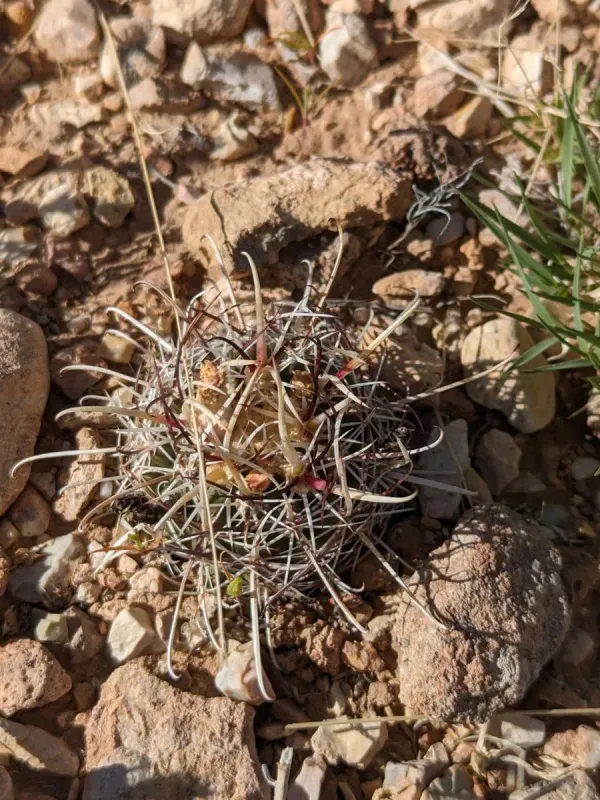
Description
Growing requirements
Sclerocactus sileri is a rare and highly specialized cactus belonging to the Cactaceae family, native to the harsh desert regions of southern Utah, USA.
Botanically, it is known for its distinctive hooked spines and globose to slightly elongated stem structure that allows it to survive in extreme arid conditions.
Cultivation requires full sun exposure throughout the year to maintain the cactus's natural appearance and to encourage potential flowering under ideal conditions.
The growing medium must be composed of a high percentage of non-organic material, such as gravel, pumice, and coarse sand, ensuring rapid drainage after water application.
Strict temperature management is essential, with a cold, completely dry winter dormancy period being necessary for the survival and long-term health of the plant.
Main diseases and pests
The primary threat to Sclerocactus sileri in cultivation is improper watering, specifically overwatering, which leads to immediate root decay and loss of the specimen.
Poor air circulation increases the risk of fungal infections, which can spread rapidly across the epidermis during periods of high humidity.
Mealybugs are a frequent pest that can colonize the dense spine clusters, making them difficult to detect and eradicate without specialized systemic treatments.
Spider mites represent another common threat, especially in stagnant air conditions, often causing permanent scarring and weakening the plant's structural integrity.
To mitigate these risks, growers must prioritize a sterile mineral environment and ensure the plant is never left in damp soil during low-temperature cycles.