
Sclerocactus whipplei
Sclerocactus whipplei
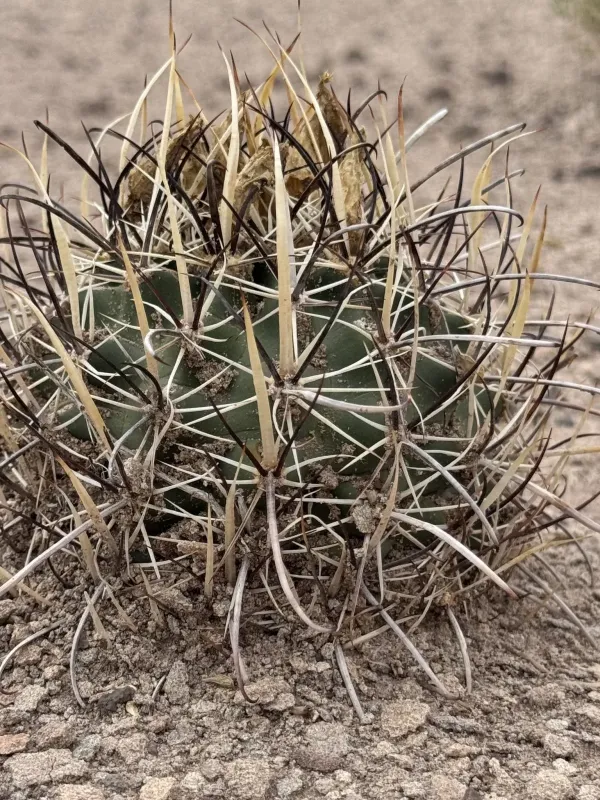
Description
Sowing dates
Sowing Sclerocactus whipplei seeds is most successful when performed in the spring as daylight hours increase. Germination requires a stable soil temperature between 20 and 25 degrees Celsius for optimal results.
The seeds of this species are known for slow and irregular germination rates. Cold stratification for several weeks prior to sowing is highly recommended to improve the emergence of seedlings.
Use a sterile, mineral-based substrate consisting primarily of pumice, coarse sand, and grit. Organic content should be kept to a bare minimum to prevent damping-off diseases during the initial phase.
Keep the sowing containers in a humid environment covered with glass or plastic until the seedlings develop their first spines. Proper ventilation must be introduced gradually to harden the young plants.
First transplanting should be delayed until the seedlings are sufficiently established, typically after one full year of growth. Handle the root systems with extreme care to avoid transplant shock.
Growing requirements
Sclerocactus whipplei, a member of the Cactaceae family, is native to the high-desert regions of the United States. It is uniquely adapted to thrive in harsh, rocky environments with limited water availability.
The primary cultural requirement is an extremely fast-draining soil mix to prevent root rot. The substrate must be porous and lean, lacking heavy organic fertilizers that can cause rapid, unhealthy growth.
High levels of sunlight are mandatory for this cactus to maintain its natural, compact, and spiny appearance. In extreme heat, some light shading during the hottest part of the day can protect the epidermis from sunscald.
The species demands a strict winter dormancy period, during which it should be kept completely dry and cool. Temperatures between 5 and 10 degrees Celsius are ideal for maintaining the plant's seasonal cycle.
Watering should be restricted to the growing season and applied only when the potting medium has fully dried out. During the winter rest period, any water application can be fatal to the plant.
Main diseases and pests
Root rot is the most frequent cause of failure for Sclerocactus whipplei. It is usually triggered by inadequate drainage, overwatering, or low temperatures combined with damp conditions.
Mealybugs are a common pest that congregates in the axils of the spines, making them difficult to detect. Early detection followed by the application of appropriate contact or systemic insecticides is necessary.
Spider mites may infest the plant if the air remains stagnant and excessively dry for prolonged periods. Increasing air circulation around the plants serves as an effective preventive measure.
Bacterial infections can enter the plant through small cracks or wounds, often resulting from sudden temperature changes or improper watering. Keeping the plant in peak condition is the best defense.
Root nematodes can cause slow decline and stunted growth, which is often misdiagnosed as dehydration. Using sterilized soil during each repotting process helps minimize the risk of soil-borne pests.