
Sclerocactus cloverae
Sclerocactus cloverae
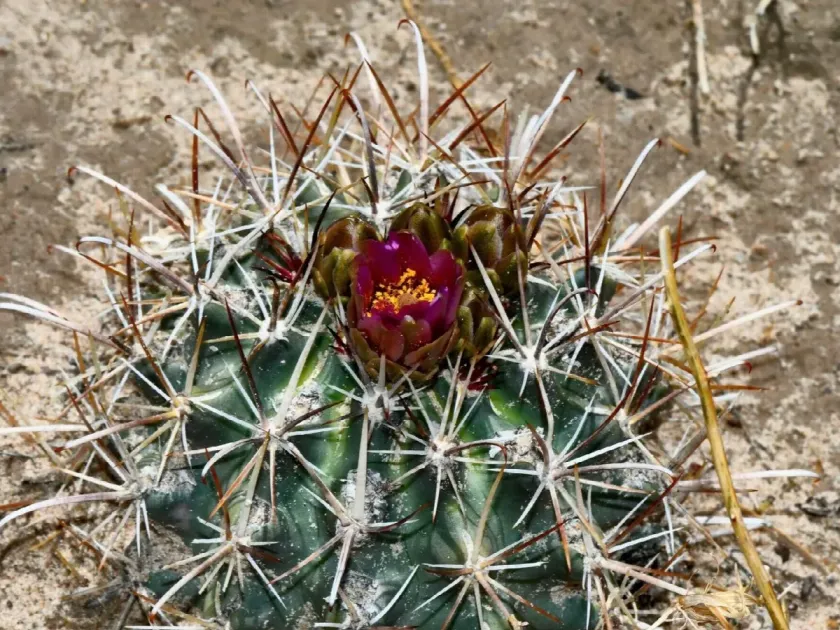
Description
Growing requirements
Sclerocactus cloverae is a distinctive member of the Cactaceae family, native to the arid rocky habitats of North America, specifically within New Mexico and Colorado. It is highly adapted to harsh environments characterized by low precipitation and significant temperature fluctuations.
For successful cultivation, this species requires direct, high-intensity sunlight. In indoor settings, placing the plant in a south-facing location or providing supplemental lighting is essential to maintain its compact, heavily spined form and overall health.
The potting medium must be extremely well-draining, consisting primarily of mineral substrates like coarse sand, gravel, and perlite. Avoid peat-heavy mixes, as they retain too much moisture and increase the risk of root rot, which is fatal for this species.
Watering protocols should mimic natural desert conditions. During the growing season, water sparingly and only when the substrate is completely dry. During the winter dormancy period, the plant should be kept almost entirely dry to prevent tissue damage.
Proper air circulation is critical for Sclerocactus cloverae. Stagnant air environments promote fungal development and attract pests, whereas consistent ventilation encourages robust growth and helps in regulating the plant's surface temperature.
Main diseases and pests
The most common threat to this cactus is root rot, triggered by overwatering or poor drainage systems. Once the root system is compromised, recovery is often difficult.
Pests such as mealybugs and spider mites are frequent invaders, especially in collections with inadequate airflow or high humidity levels during the cooler months.
Bacterial spots can manifest on the epidermis if the plant is subjected to sudden temperature drops while the surface remains wet from recent watering.
Preventative measures include using a mineral-based top dressing (grit or gravel) around the root neck to ensure that the base of the plant remains dry at all times.
Routine inspection of the plant's areoles and spines is recommended to catch early infestations before they spread to other parts of the collection.