
Sclerocactus mesae-verdae
Sclerocactus mesae-verdae
Description
Growing requirements
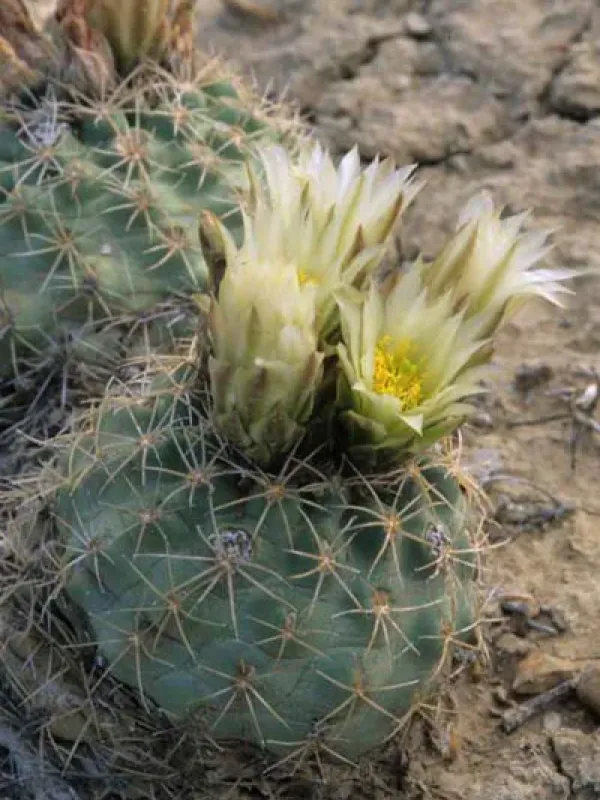
Sclerocactus mesae-verdae is a rare succulent species belonging to the Cactaceae family. It is indigenous to the arid regions of the southwestern United States, primarily found in the Mesa Verde area, which gives the plant its common name.
The plant exhibits a small, globular body architecture, often partially embedded in the desert floor. Its morphology is an evolutionary adaptation to extreme environmental conditions, allowing it to minimize surface area exposure to intense heat.
Successful cultivation requires a highly porous and inorganic soil mix that ensures rapid water drainage. Any moisture stagnation in the root zone is likely to result in rapid root decomposition, which is the most frequent cause of plant mortality in amateur collections.
Regarding climatic needs, this species demands high light intensity, ideally direct sunlight for most of the day. In greenhouse conditions, proper ventilation is mandatory to simulate the natural airflow of the desert and prevent overheating of the plant body.
The agricultural potential for this species is purely limited to ex-situ conservation and botanical research. It is categorized as a species of concern, making it a highly sought-after subject for specialized cactus enthusiasts and scientific research facilities.
Main diseases and pests
Fungal infections, particularly root rot, are the primary health threat for Sclerocactus mesae-verdae. These diseases thrive in environments with low light and high humidity, which contradict the plant’s natural environmental requirements.
Pests such as spider mites are a significant concern, especially during the dry summer months. They typically target the tender growth points and can cause significant damage to the plant's epidermis if left unmanaged.
Management of pest outbreaks requires careful application of appropriate miticides and insecticides. It is critical to ensure that the chemical treatments are compatible with succulent tissues to avoid causing phytotoxic burns on the stem.
Proactive care involves monitoring for mealybugs, which often conceal themselves in the crevices between the tubercles. Manual removal or systemic soil drenches are effective methods for controlling these infestations before they spread.
Cultural practices should prioritize a period of complete dormancy during winter months. Reducing watering to near-zero levels during this phase significantly hardens the plant and increases its overall resistance to pathogens and opportunistic infections.