
Sclerocactus papyracanthus
Sclerocactus papyracanthus
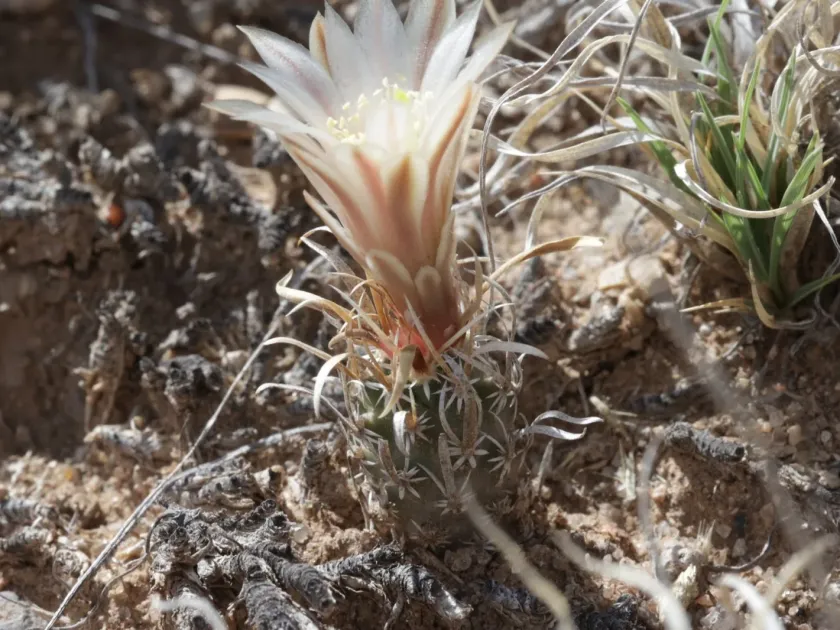
Description
Growing requirements
Sclerocactus papyracanthus is a fascinating member of the Cactaceae family, native to the arid desert regions of New Mexico and Arizona in the United States. This species is highly valued by enthusiasts for its unique, paper-like spines that provide a distinctive appearance compared to traditional cacti.
In its natural habitat, the plant grows in rocky, well-draining soils and is exposed to intense sunlight and significant temperature variations. Cultivating this species requires mimicking these conditions to ensure healthy growth and the preservation of its characteristic spination.
The potting medium must be exceptionally well-draining, consisting primarily of inorganic materials such as pumice, perlite, and coarse sand. Avoid any substrates that retain moisture for too long, as this species is extremely prone to root rot even in small amounts of stagnant water.
Exposure to direct, bright sunlight is essential for the plant during the growing season to maintain its compact, cylindrical shape. However, during the height of summer, some shading may be beneficial to prevent the stem from scorching under intense, unfiltered rays.
Proper water management involves thorough watering during the active growth phase, followed by complete drying of the soil before the next irrigation. During the winter dormancy period, the plant should remain almost entirely dry to prevent physiological stress and fungal growth.
Main diseases and pests
The most significant threat to Sclerocactus papyracanthus is the development of root and collar rot, which is almost always a result of overwatering or inadequate soil drainage during periods of low light.
Pests such as root mealybugs can colonize the root system, causing the plant to lose vigor suddenly, requiring a prophylactic application of systemic insecticides during repotting.
Spider mites are common in dry indoor environments and can quickly damage the plant’s epidermis if the humidity and ventilation are not properly managed.
Fungal infections can appear as dark lesions on the stem, usually triggered by poor ventilation and high humidity combined with low environmental temperatures.
Preventive care, including consistent air circulation and strict adherence to a dormant winter phase, is the most effective way to avoid these common threats in a collection.