
Sclerocactus blainei
Sclerocactus blainei
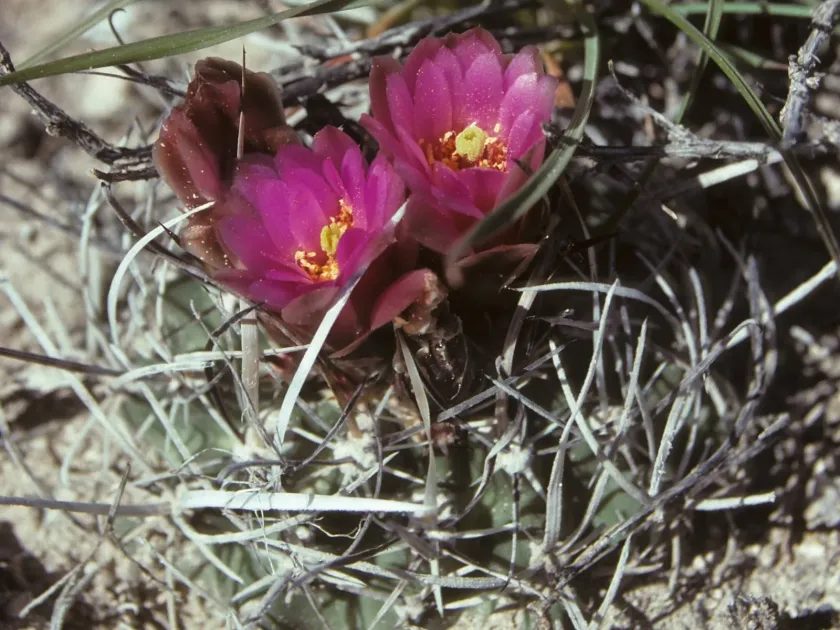
Description
Growing requirements
Sclerocactus blainei is a rare and highly specialized cactus species belonging to the Cactaceae family. Native to the arid regions of the southwestern United States, this plant is evolutionary adapted to survive in harsh desert conditions characterized by extreme heat, intense solar radiation, and limited annual rainfall.
The botanical structure of Sclerocactus blainei features a small, globular stem densely covered with characteristic spines that serve to shade the plant body and reduce water loss. The plant possesses a taproot system that allows it to store moisture during short periods of rain, making it remarkably resilient to long droughts.
In terms of agricultural requirements, this species demands a mineral-heavy soil mix. Ideal substrate compositions include coarse sand, volcanic rock, and limestone grit. Organic matter must be kept to an absolute minimum to prevent bacterial rot, as this species is highly sensitive to the presence of humus.
Light intensity is non-negotiable for the healthy development of this cactus. Without full-spectrum, high-intensity sunlight, the plant will etiolate, losing its compact shape and natural protective coloration. It thrives best in environments where daylight levels mimic the high-altitude desert sun.
Watering protocols require significant discipline. One must only provide water when the substrate has fully desiccated. During the winter dormancy, water must be almost completely withheld to simulate the dry desert winter, which is essential to prevent physiological stress and promote future blooming.
Main diseases and pests
The primary threats to Sclerocactus blainei in cultivation are root rot pathogens and various fungal infections triggered by excessive humidity. These diseases progress rapidly and often become irreversible once symptoms appear on the outer epidermis of the stem.
Pest management is equally critical, with spider mites and mealybugs being the most common adversaries. These pests thrive in dry conditions and can cause severe damage by compromising the plant's structural integrity and aesthetic value, often requiring immediate intervention with suitable horticultural pesticides.