
Selenicereus atropilosus
Selenicereus atropilosus
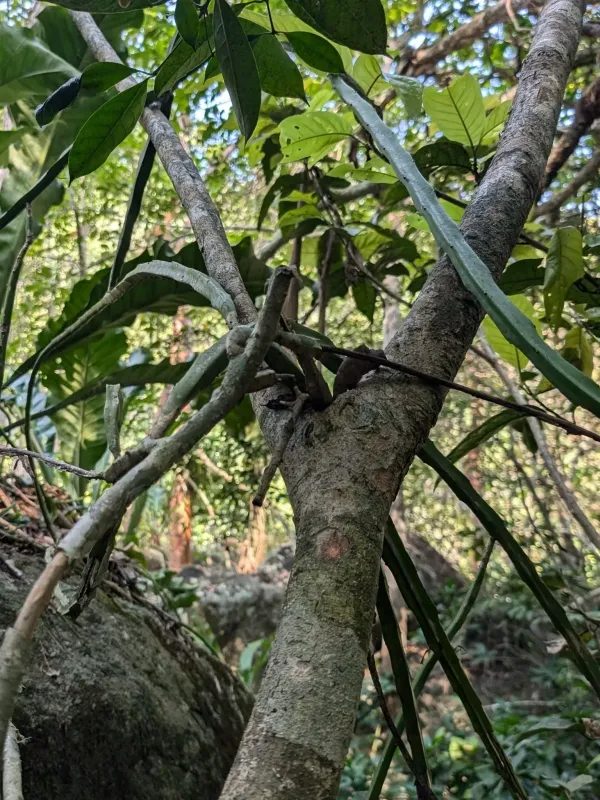
Description
Growing requirements
Selenicereus atropilosus is a member of the Cactaceae family, known for its unique trailing growth habit. Native to the tropical forests of Mexico, this species is well-adapted to humid environments where it grows as an epiphyte on trees.
In cultivation, this plant requires bright but filtered light to mimic the dappled shade of its natural forest habitat. Exposure to intense, direct midday sun will quickly cause tissue damage and sunburn on the stems.
The substrate must be highly porous and well-draining. A professional-grade mix typically includes orchid bark, perlite, and high-quality potting soil to ensure the root system is well-aerated at all times.
Watering frequency should be adjusted based on the season. During the active growing phase, the soil should be kept consistently moist but never waterlogged, ensuring that the water drains away completely from the container.
Temperature management is essential for long-term health. The plant performs best in a warm, stable climate, ideally between 20 and 26 degrees Celsius, with a required rest period in cooler conditions during the winter months.
Main diseases and pests
Root rot is the most common threat caused by poor drainage or overwatering. Once the stems turn soft or discolored at the base, immediate action involving repotting and soil replacement is necessary.
Mealybugs are a frequent pest for this genus. They thrive in the crevices of the stems, where they can be difficult to detect until a significant population has developed, leading to stunted growth.
Aphids can also attack new, succulent growth. These pests damage the epidermis of the plant, which often leaves the cactus vulnerable to fungal pathogens entering the plant tissue.
Preventative care includes maintaining good air circulation, which helps dry out excess surface moisture and prevents the development of fungal spores on the plant surface.
Integrated pest management protocols, including the use of horticultural oils and systemic insecticides, should be implemented if natural predators are not effective in controlling local populations.