
Sclerocactus nyensis
Sclerocactus nyensis
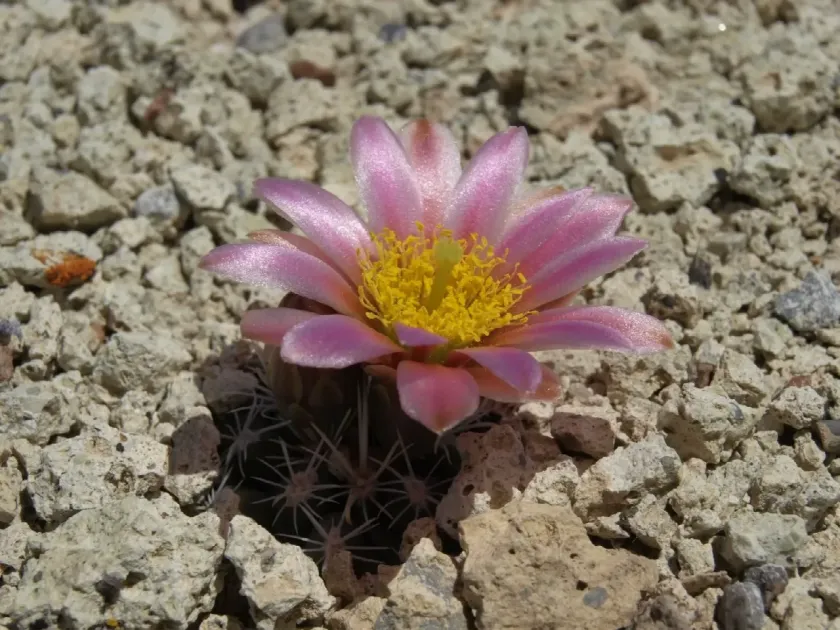
Description
Growing requirements
Sclerocactus nyensis is a fascinating member of the Cactaceae family, native to the remote desert regions of Nevada, USA. This species is highly specialized, adapted to thrive in harsh, arid environments with very limited rainfall.
The plant features a globular to short-cylindrical stem adorned with intricate spines. These spines are not merely decorative; they serve to protect the plant from intense solar radiation and assist in capturing dew from the desert air.
Successful cultivation requires a substrate that mimics its native habitat: predominantly mineral, highly permeable, and free-draining. Standard potting soils are usually fatal to this plant due to their high water-retention capacity.
Optimal growth is achieved through a specific climate regime: high light intensity combined with significant diurnal temperature fluctuations. The plant must be kept completely dry during the winter dormancy period to prevent internal physiological stress.
While not a traditional agricultural crop, this species is highly valued in horticulture and conservation research. Its rarity makes it a prized specimen for specialized botanical collections worldwide.
Main diseases and pests
The primary threat to Sclerocactus nyensis is fungal decay resulting from incorrect irrigation practices. Moisture trapped in the substrate or the crown of the plant often leads to rapid tissue rot.
Common pests including mealybugs and spider mites can infest the plant, particularly in sheltered greenhouse environments. These pests can cause localized damage that leads to secondary bacterial infections.
Lack of proper airflow is a major risk factor in greenhouse settings, as it encourages stagnant air conditions favorable to pathogenic fungi. Consistent ventilation is essential for plant health.
Mechanical injuries to the epidermis are highly dangerous, as they provide easy access points for opportunistic pathogens. Care must be taken when handling the cactus to avoid damaging its delicate skin.
Winter care is critical; exposure to cold and wet conditions simultaneously is a lethal combination. Ensuring a strictly dry environment during the dormant season is the best defense against systemic diseases.