
Sclerocactus spinosior
Sclerocactus spinosior
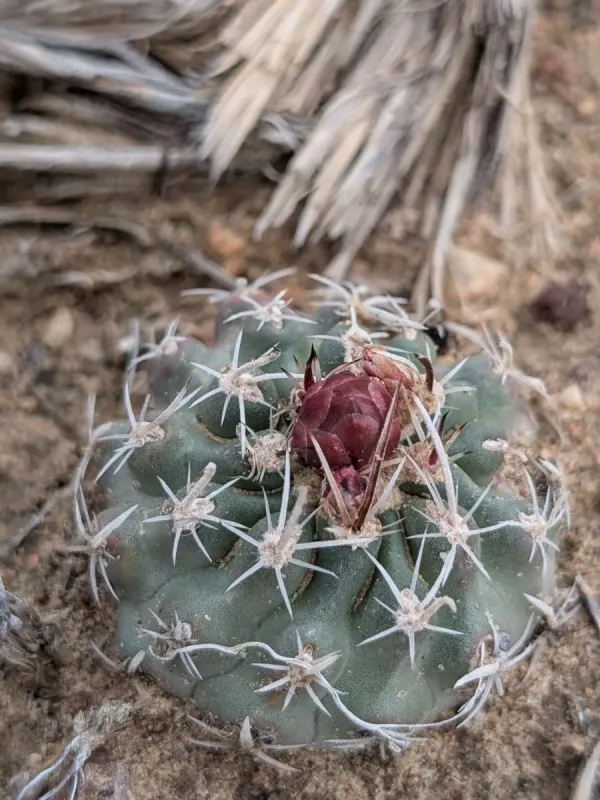
Description
Sowing dates
Sclerocactus spinosior belongs to the Cactaceae family, an iconic desert genus that requires specific protocols for successful seed germination.
Seed sowing is best performed in early spring after a mandatory cold stratification period, which mimics the natural winter cycle of its habitat.
The substrate must be highly inorganic, consisting of coarse sand, pumice, or granite grit to ensure rapid water drainage and root aeration.
Containers for sowing should be shallow, and surface moisture must be carefully managed to prevent the development of moss or algae.
Once germinated, seedlings need intense light levels and gentle ventilation to encourage the development of strong, characteristic spines.
Growing requirements
This species thrives in high-light environments, requiring full sun exposure to maintain its compact growth form and density of thorns.
Climate control is crucial: the plant demands hot, dry days and significantly cooler nights to simulate the high-desert conditions of its native range.
Soil composition should be extremely lean, with virtually no organic matter, to prevent internal rot and maintain the mineral-based needs of the plant.
Irrigation must be strictly regulated: only water the plant when the substrate is completely dry during the active growth period of late spring and summer.
During winter dormancy, the plant must be kept bone-dry in a cool environment to prevent premature growth or decay from dampness.
Main diseases and pests
Root rot is the primary physiological threat, usually triggered by excessive watering during overcast days or in poorly draining soil mixtures.
Mealybugs are common pests that infest the dense spine clusters, making them difficult to detect and eradicate without systemic pesticides.
Spider mites represent a risk during periods of low humidity and stagnant air, leading to scarring and disfigurement of the cactus body.
Proper sanitation, including the use of sterilized pots and potting media, is the most effective preventative measure against fungal outbreaks.
Regular inspection of the root zone and stems is advised to catch any pest or disease onset in its earliest, most treatable stages.