
Description
Symptoms
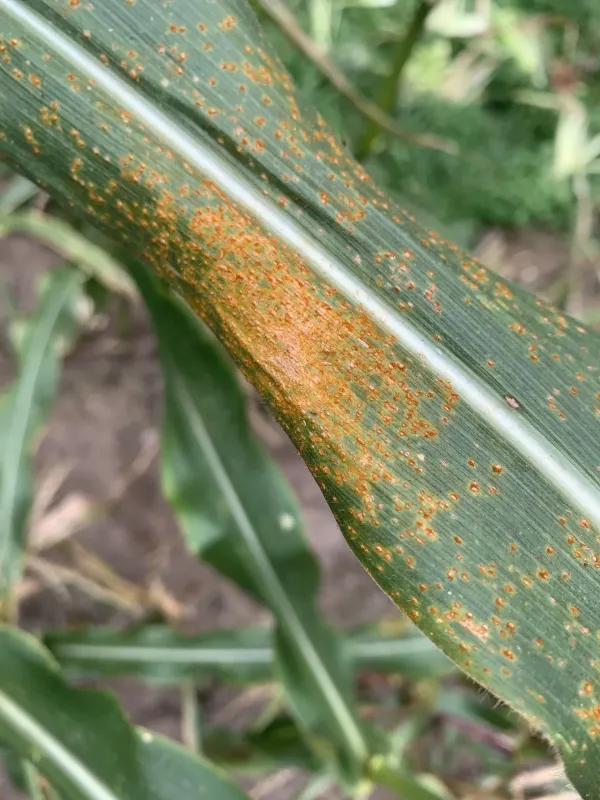
Initial symptoms include small, chlorotic flecks on both upper and lower leaf surfaces, which eventually enlarge into pustules.
These pustules, known as uredinia, are cinnamon-brown in color and break through the leaf epidermis to release masses of powdery spores.
As the infection progresses, the leaves become heavily covered with rust-colored pustules, leading to yellowing, necrosis, and premature leaf senescence.
Towards the end of the season, the pustules turn dark brown or black, indicating the formation of teliospores, which are the survival structures of the fungus.
In severe cases, the disease affects not only leaves but also leaf sheaths, significantly reducing the plant's overall photosynthetic capability.
Pathogen
Common rust is caused by the fungus Puccinia sorghi, an obligate parasite that requires a living host to complete its lifecycle.
The fungus is characterized by its ability to produce several types of spores, including urediniospores, which are responsible for rapid secondary spread.
This pathogen requires an alternate host, typically species of the genus Oxalis, for its sexual reproduction stage, though the lifecycle can continue on corn alone via urediniospores.
Urediniospores are wind-borne and can travel hundreds of miles, allowing the disease to emerge in cornfields far from initial infection sites.
The pathogen disrupts the plant's epidermis, causing pustules to emerge, which leads to water loss and structural damage to the leaf tissue.
Conditions for development
The development of common rust is favored by mild temperatures, typically between 16 and 25 degrees Celsius, during the growing season.
High relative humidity (near 100%) and free water on the leaf surface are essential for spore germination and infection establishment.
Periods of frequent rainfall, cloudy weather, and high morning dew promote the spread of the fungus throughout the corn canopy.
Dense plant populations often create an environment with reduced airflow, keeping the foliage damp for longer periods and increasing disease risk.
Late planting dates may lead to higher infection levels, as younger plants are exposed to higher concentrations of airborne spores during the season.
Why it matters
The primary impact of common rust is the reduction of green leaf area, which limits the plant's capacity for photosynthesis and carbohydrate production.
Loss of photosynthetic area results in poor grain fill, leading to smaller kernels, lower test weight, and reduced overall crop yield.
Severely infected plants show signs of premature wilting, making them more susceptible to drought stress and potential lodging issues.
Economic losses can be substantial, with potential yield reductions ranging from 5% to 40% depending on the timing and severity of the infection.
Additionally, infected plants may be more prone to secondary infections, further degrading the quality and marketability of the harvested grain.
Protection
The most effective long-term strategy for managing common rust is the use of resistant or tolerant corn hybrids.
Cultural practices, such as crop rotation and the management of alternative hosts like Oxalis, can help reduce the local inoculum pressure.
Fungicide applications are recommended when disease pressure is high, specifically focusing on systemic fungicides like triazoles or strobilurins.
Regular field scouting is critical for early detection, especially during the vegetative stages prior to tasseling to protect the ear leaf.
- Selecting resistant hybrid varieties.
- Applying fungicides at the onset of symptoms.
- Ensuring adequate soil nutrition to maintain plant vigor.
- Managing plant density to improve air circulation.
Content graph
Connections · Common rust of corn
Most often together:
Marketplace
Products · 197
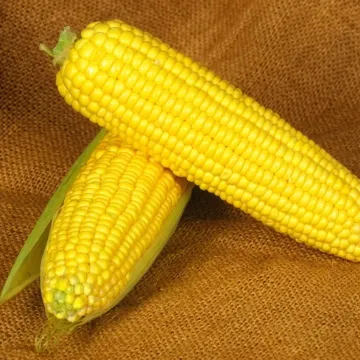
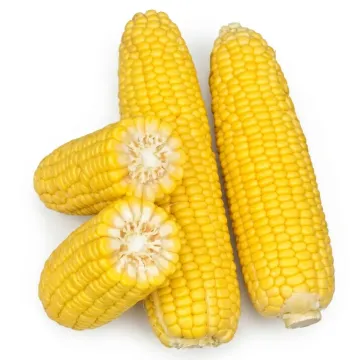
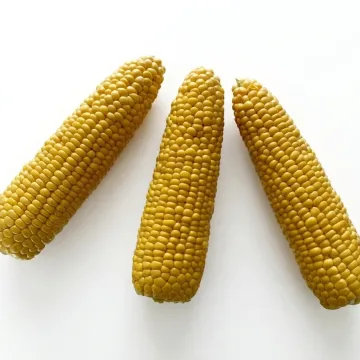
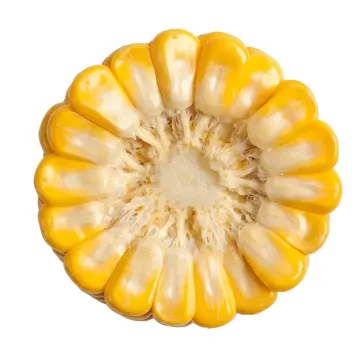


Macaron
May-Agro Tohumculuk Sanayi ve Ticaret A.Ş.
Sweet Corn
0
0
·
61
2 offers
9.87 €per 1000 seeds
Buy


MUSSE
May-Agro Tohumculuk Sanayi ve Ticaret A.Ş.
Sweet Corn
0
0
·
59
4 offers
9.53 €per 1000 seeds
Buy


Fragman
May-Agro Tohumculuk Sanayi ve Ticaret A.Ş.
Sweet Corn
0
0
·
53
6 offers
10.18 €per 1000 seeds
Buy


Community
Discussion
No discussions yet — be the first.