
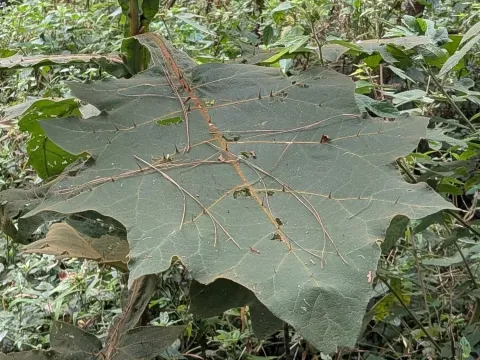
Solanum robustum
Solanum robustum
Solanum robustum, commonly known as the robust nightshade, is a prominent member of the Solanaceae family. Originating from the tropical and subtropical regions of South America, this plant is recognized for its thick, woody base and distinctive rusty, star-shaped hairs covering the foliage.
What the section contains
Solanum robustum
This species thrives in warm, humid climates. It requires full sun to partial shade for optimal development. When cultivated outside its native range, it is often treated as an annual or a conservatory plant due to its inability to survive freezing temperatures.
Soil requirements focus on fertility and drainage. The plant prefers slightly acidic to neutral, nutrient-rich soils. Organic matter incorporation is essential for maintaining vigor during the rapid growth phase of the plant.
Water management is critical. While the species requires consistent moisture to support its broad leaf surface area, it is highly susceptible to root rot in waterlogged conditions. Proper irrigation strategies involve keeping the soil moist but never saturated.
In landscape use, it serves as a robust ornamental shrub, though it is also studied for its phytochemical properties. Its growth habit allows it to reach significant dimensions in a single season when provided with adequate fertilizer and space.
Aphids are a primary pest for Solanum robustum, clustering on the undersides of leaves and the terminals of new shoots. They not only extract sap but also act as vectors for various viral diseases common to the nightshade family.
Spider mites represent a significant threat in hot, dry environments. They cause stippling on the leaves and can lead to early senescence if left unmanaged. Regular inspection of leaf tissue is necessary to prevent infestations.
Early blight, caused by Alternaria solani, often affects the lower leaves first, appearing as dark, necrotic spots. This disease thrives in warm, wet weather and can quickly spread to the stems if not controlled by appropriate fungicide applications.
Verticillium wilt is another soil-borne danger. This fungus clogs the xylem, leading to wilting and chlorosis. Once an area is infested, the pathogen can persist for several years, making crop rotation essential.
Integrated Pest Management (IPM) is highly recommended. This includes the use of insecticidal soaps, removal of infected plant debris, and the application of balanced biological or chemical controls based on the specific pest density threshold.