
Solanum seaforthianum
Solanum seaforthianum
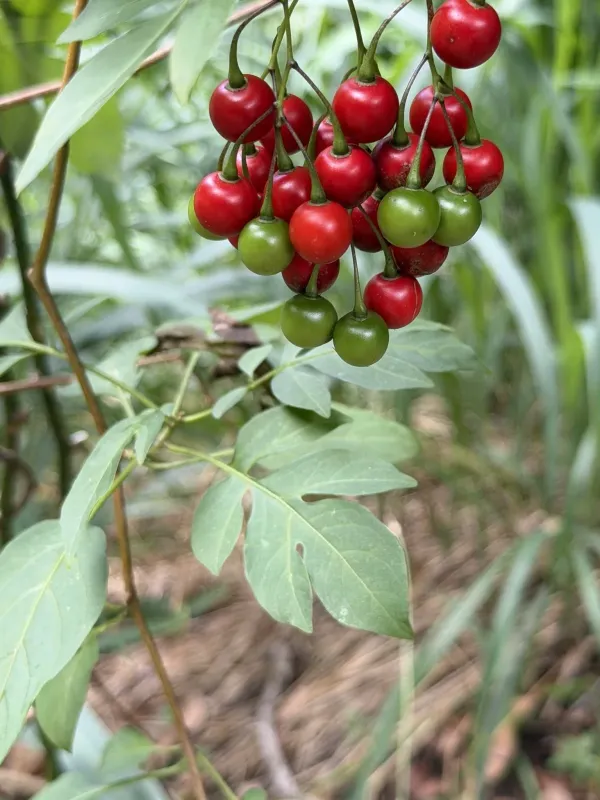
Description
Sowing dates
The propagation of Solanum seaforthianum is typically achieved through seeds or stem cuttings. Seeds are sown in a light, well-draining substrate during late winter or early spring, requiring temperatures of approximately 20–22 degrees Celsius for successful germination.
To enhance germination rates, seeds should be pre-soaked in warm water for several hours before planting. Shallow sowing (about 0.5 cm deep) is crucial to ensure optimal oxygen supply and prevent rotting before the seeds emerge from the soil.
Vegetative propagation via semi-hardwood cuttings is common for maintaining specific plant characteristics. These cuttings should be taken in the summer and placed in a sand-perlite medium, maintaining high ambient humidity for rooting to occur within three weeks.
Transplanting young seedlings into final pots or outdoor sites should only happen after the last frost risk has passed. The species is sensitive to temperature fluctuations in its early growth stages, requiring careful hardening before placement.
When grown in containers, it is recommended to use large pots to accommodate the plant's aggressive root system, which is necessary to support its rapid growth and extensive foliage as a vining plant.
Growing requirements
Solanum seaforthianum, belonging to the Solanaceae family, is a climbing vine native to tropical regions of South America and the Caribbean. Its agronomic profile requires high temperatures and protection from cold to thrive effectively.
The plant demands bright, indirect light for optimal development. While it appreciates morning sun, it requires shade during the hottest afternoon hours in tropical or temperate climates to prevent leaf scorching and desiccation.
Soil requirements include a nutrient-rich, well-drained medium with a slightly acidic to neutral pH. Proper drainage is the most critical factor, as stagnant water is lethal to this vine and frequently leads to severe root rot.
Irrigation management is essential throughout the growing season. The soil should be kept consistently moist during the summer but allowed to dry slightly between watering cycles during the winter dormancy period to preserve plant health.
As a climbing vine, this plant requires sturdy supports, such as trellises or wires. Regular pruning is necessary not only for structural training but also to stimulate lateral growth, which leads to a more profuse and spectacular blooming display.
Main diseases and pests
In indoor or greenhouse settings, Solanum seaforthianum is prone to infestations by spider mites, particularly when the ambient air is excessively dry. Aphids also frequently colonize the tender tips of new growth.
Whiteflies are another significant threat, causing vigor reduction and potentially transmitting viral agents that can affect the overall health of the specimen. Integrated pest management strategies, including yellow sticky traps, are highly recommended.
Root diseases, specifically fungal rot, are the most common cause of plant failure, typically resulting from poor drainage or overwatering. Maintaining a porous soil structure is the best preventative measure against these threats.
Nutrient deficiencies, particularly iron-induced chlorosis, manifest as yellowing between the veins of the leaves. This can be effectively treated by applying chelated iron supplements and maintaining the correct soil pH balance.
- Routine application of insecticidal soaps to manage pest populations.
- Sanitation pruning to remove infected or dead foliage.
- Periodic monitoring of soil moisture to prevent anaerobic conditions.