
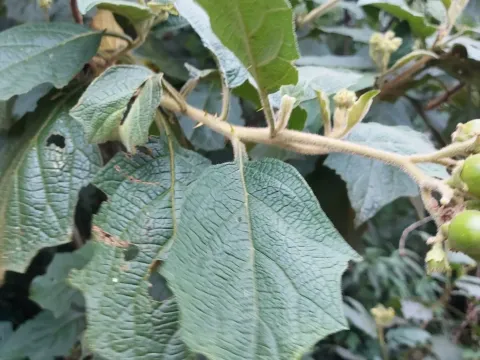
Solanum pycnanthemum
Solanum pycnanthemum
Solanum pycnanthemum is a member of the Solanaceae family, originating from the eastern regions of Australia. This perennial herbaceous plant is known for its distinctive morphology, which includes spiny stems and foliage as a primary defense mechanism.
What the section contains
Solanum pycnanthemum
The plant thrives in warm climates and requires full sun exposure to reach its physiological maturity. Temperatures ranging between 22°C and 28°C are considered optimal for vegetative development, as the species is highly intolerant of frost.
Soil requirements are strict, focusing on well-drained sandy loam or loamy soils. Good drainage is crucial to prevent root rot, as the plant is susceptible to waterlogging. A slightly acidic to neutral soil pH is ideal for nutrient uptake.
Water management involves consistent but moderate irrigation. It is essential to allow the soil surface to dry slightly between watering sessions, which helps mimic the natural drought-tolerant characteristics of this species.
Fertilization should be managed carefully, ensuring a balance between macro- and micronutrients. Excessive nitrogen can lead to rapid, weak growth, while adequate potassium and phosphorus levels support the structural integrity of the stems and reproductive output.
The plant is susceptible to common Solanaceae pests, including aphids, whiteflies, and spider mites. These insects can cause significant damage to the leaves, leading to reduced photosynthetic efficiency and stunted growth.
Fungal pathogens such as late blight and early blight are the most common threats to crop health. These diseases typically manifest during periods of high humidity or poor air circulation within the field.
Integrated Pest Management (IPM) is recommended for Solanum pycnanthemum. This includes crop rotation, where the plant is not grown in the same field as tomatoes, potatoes, or peppers for several consecutive seasons to avoid soil-borne pathogens.
Viral infections, often spread by insect vectors, can cause leaf curling and mosaic patterns. There is no chemical cure for these viruses, so rogueing infected plants is the only effective way to prevent spread.
Preventative applications of broad-spectrum fungicides and routine monitoring of the field are essential practices. Maintaining clean equipment and tools also prevents the mechanical transmission of diseases between plant stands.