
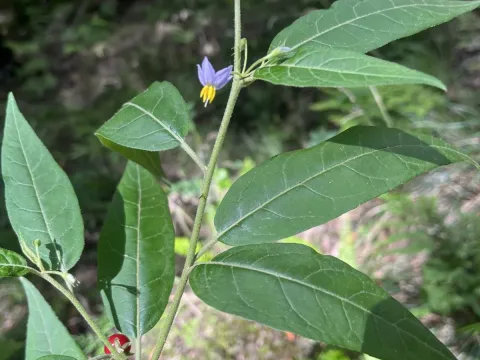
Solanum stelligerum
Solanum stelligerum
Sowing seeds of this species requires a stable temperature environment, as the young plants are sensitive to cold conditions during their initial growth stages. Greenhouse conditions are highly recommended for the germination period to ensure healthy seedling establishment.
What the section contains
Solanum stelligerum
The seeds should be planted at a shallow depth of 0.5 to 1 centimeter in a well-draining, nutrient-rich substrate. Consistent moisture levels in the seeding tray are essential for uniform emergence and to avoid stress to the delicate root system.
Pre-treatment of seeds, such as soaking in growth regulators, can significantly improve germination rates and speed up the development of the primary root system. Transplantation of seedlings into individual pots is standard practice after the appearance of the first true leaves.
Hardening off is a vital process before moving the plants to their final outdoor location. This step involves gradually exposing the plants to outside air and direct sunlight over a period of two weeks, which helps to minimize transplant shock.
Spacing requirements should be carefully observed to allow for proper airflow around the foliage. Proper ventilation is key to reducing the humidity around the base of the plant, which prevents the development of various soil-borne and fungal diseases.
Solanum stelligerum thrives in sunny locations with light, well-draining soils that are rich in organic matter. Waterlogging should be strictly avoided, as it can lead to root rot and other physiological issues that hamper the overall development of the crop.
The optimal temperature range for growth and fruit production is between 20 and 28 degrees Celsius. Extreme fluctuations in temperature can lead to flower drop, which negatively impacts the final yield, so maintaining environmental stability is crucial.
Regular irrigation is necessary throughout the growing season, particularly during the flowering and fruiting stages. The soil should be kept consistently moist but not saturated, as water stress is a primary factor in reducing fruit quality.
Soil preparation should involve the incorporation of high-quality compost or manure several weeks prior to planting. This improves the physical structure of the soil and provides a slow-release source of nutrients for the plant as it matures.
Mulching the soil around the base of the plants helps to retain soil moisture and naturally suppresses weed growth. Organic mulch also contributes to better soil microbiology, which is essential for healthy plant nutrient uptake.
The species is susceptible to common Solanaceae pests and diseases, such as late blight and various leaf spots. These pathogens often flourish in high-humidity conditions, making it essential to keep the planting area clean and well-ventilated.
Pests like aphids and beetles are common threats that can compromise leaf integrity and reduce the plant's photosynthetic capacity. Regular visual inspections are necessary to identify early signs of infestation and apply control measures promptly.
Spider mites can become a problem in hot and dry climates, damaging the leaves by extracting plant sap. Managing the humidity levels and using appropriate biological control agents can effectively keep these pest populations at a manageable level.
Crop rotation is a fundamental practice to prevent the build-up of specific pathogens in the soil. It is advised to avoid planting this crop in soil that previously hosted other members of the Solanaceae family for at least three seasons.
Integrated pest management, including the use of biological fungicides, is the preferred approach for maintaining high crop standards. These measures ensure that the final produce is safe for consumption while effectively addressing potential threats.