
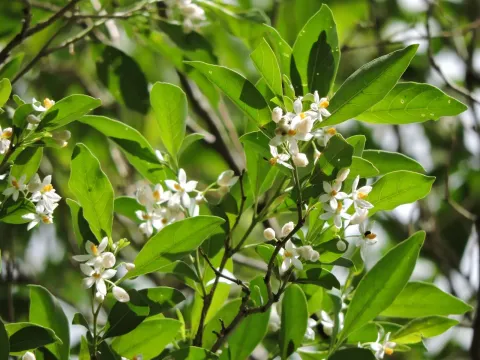
Solanum pseudoquina
Solanum pseudoquina
Sowing Solanum pseudoquina seeds typically occurs at the beginning of the rainy season when soil moisture levels are optimal for germination. For controlled cultivation, seed stratification may be required to enhance overall uniformity in emergence.
What the section contains
Solanum pseudoquina
The ideal temperature for germination is between 22 and 26 degrees Celsius. Seeds should be sown at a depth of no more than one centimeter to ensure sufficient light exposure for the developing seedlings, which is crucial for early growth stages.
Starting the crop in a nursery setting is highly recommended to manage plant density and ensure robust growth before transplanting. Field transplanting should only be performed once there is no risk of frost, as the species is highly sensitive to cold temperatures.
Planting density should be managed to ensure adequate airflow, with spacing between rows maintained at 60–80 centimeters. This reduces the risk of moisture-related fungal diseases and promotes a healthy environment for the plants to develop.
Early-stage monitoring is essential, as seedlings are susceptible to damping-off if moisture levels are poorly managed. Proper drainage is the most effective preventative measure against germination failures in this species.
Solanum pseudoquina belongs to the Solanaceae family and is an evergreen shrub native to tropical regions of South America. The plant thrives in areas with abundant sunlight, though it can tolerate partial shade during peak summer heat.
The species prefers well-aerated, fertile soil with a neutral pH level. Soils rich in organic matter that retain moisture while maintaining drainage are ideal for achieving the best vegetative growth and overall plant health.
Humidity management is a critical factor in the success of this crop. During dry spells, regular irrigation is necessary to prevent leaf stress and blossom drop, ensuring the plant maintains its metabolic activity throughout the growing season.
Balanced fertilization is required throughout the growth period, especially during the flowering stage when the plant's nutrient demands increase. Organic amendments like compost can be used to improve soil structure and nutrient availability.
The plant is known for its unique alkaloid content, which makes it a subject of interest for pharmacological use. Environmental stressors must be kept to a minimum to ensure the plant synthesizes these compounds consistently.
The agricultural value of Solanum pseudoquina is primarily derived from its vegetative biomass. Yield is measured by the total weight of dried botanical material collected from the plantation per hectare.
Productivity is highly dependent on consistent maintenance, including proper irrigation and timely nutrient application. Under optimal conditions, multiple harvests can be achieved within a single year without exhausting the perennial shrub.
The age of the plant significantly influences the accumulation of secondary metabolites. Productivity generally peaks in mature plants, making long-term plantation management a key component of successful industrial production.
Efficiency is also dictated by the post-harvest processing chain. Advanced dehydration technologies are essential to maintain the structural integrity of the chemical compounds and ensure a high-quality final product.
Economic returns remain steady for producers who adhere to standard agricultural protocols, positioning this species as a reliable niche crop for specialized medicinal plant operations.
Fungal diseases affecting the root system represent the most significant threat to Solanum pseudoquina, often caused by excessive soil moisture. Root rot can quickly devastate a field if proper drainage and preventive measures are ignored.
Pests such as aphids and spider mites are common, feeding on the leaves and severely weakening the plants. Infestations lead to a reduction in chlorophyll content, impacting both the rate of growth and the quality of the raw material.
Integrated pest management, emphasizing the use of biological controls, is highly recommended to reduce reliance on chemical pesticides. Routine inspection of the foliage allows for early detection and rapid intervention to prevent widespread damage.
Nutrient deficiencies often manifest as chlorosis, which makes the plant more susceptible to opportunistic pathogens. Regular soil testing and nutrient replenishment are fundamental to maintaining the plant's natural defense mechanisms.
In greenhouses, whiteflies can be particularly problematic due to their rapid reproduction and potential to transmit viruses. Effective control methods, such as yellow sticky traps, should be part of the standard plantation management strategy.
Harvesting is performed by trimming the leafy branches of the shrub. The process should take place in the morning, after the dew has evaporated but before the heat of the day reaches its peak, to preserve the quality of the alkaloids.
Timing the harvest is critical; it is best performed during the peak flowering stage to ensure the highest concentration of active ingredients in the plant tissues. This timing guarantees the best quality raw material for pharmaceutical processing.
Post-harvest logistics must be efficient to prevent degradation. The raw plant material should be transported to processing facilities immediately to avoid heating and oxidation, which can compromise the chemical composition of the crop.
Primary processing involves sorting and cleaning the plant material to remove foreign debris. High standards during this phase are essential for achieving a high-grade product that meets market specifications.
Storage requires cool, dark, and well-ventilated conditions to maintain the longevity of the plant's medicinal properties. Protecting the material from moisture and light ensures that the harvest remains stable over long periods.