
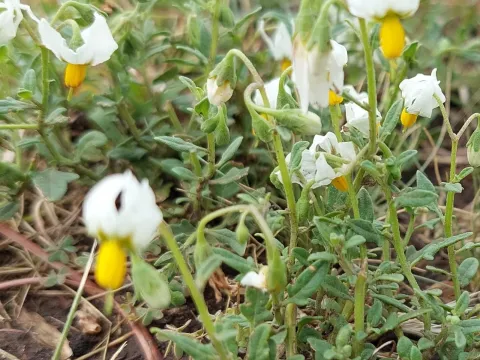
Solanum pygmaeum
Solanum pygmaeum
Solanum pygmaeum, a member of the Solanaceae family, is a small, resilient herbaceous plant originating from the high-altitude regions of South America. Its evolution in harsh alpine environments has endowed it with specific biological traits, such as high stress tolerance and a compact growth habit.
What the section contains
Solanum pygmaeum
Sowing this culture requires specific techniques to overcome potential seed dormancy. It is recommended to perform a period of cold stratification before planting the seeds in early spring, which mimics the natural environmental cues the seeds require for successful germination.
The planting substrate should be light, well-draining, and slightly acidic to neutral. Seeds should be placed at a depth of about 0.5 cm, as they need minimal coverage to maintain proper moisture levels without being buried too deep, which could inhibit emergence.
During the initial growth phase, seedlings show a relatively slow pace of development. Consistent soil moisture and a temperature range of 15°C to 20°C are crucial during this stage to establish a strong root system before the plant enters its active vegetative growth cycle.
Transplanting should be handled with care to avoid disturbing the sensitive roots. Once the plant has developed its first true leaves, it is ready to be moved to its permanent location, ensuring it receives enough space to spread its low-growing, compact foliage.
Success in cultivating Solanum pygmaeum relies heavily on mimicking its native high-altitude environment. It requires high-intensity light for at least 12 hours a day, which is essential to keep the plant compact and prevent etiolation of the stems.
The plant thrives in cool to moderate temperatures, ideally between 15°C and 22°C. While it is hardy, it does not tolerate extreme heat, which can cause significant stress and lead to flower drop or stunted development of the fruit set.
Well-drained soil is non-negotiable for this species, as stagnant water around the roots quickly leads to fungal infections. Adding sand or perlite to the potting mix is highly recommended to improve aeration and facilitate the drainage required for healthy growth.
Irrigation should be consistent but moderate. Using a drip system is the most effective way to maintain moisture at the root level without wetting the foliage, which is particularly important to prevent the spread of diseases common in the Solanaceae family.
Fertilization should be handled carefully, focusing on phosphorus and potassium levels to encourage flowering and fruiting. Excess nitrogen should be avoided at all costs, as it promotes leafy growth at the expense of fruit production and overall plant structural integrity.
The yield of Solanum pygmaeum is characterized by its small, nutrient-dense berries. While not currently grown on a massive commercial scale, it holds significant potential for specialty gardening and as a source of unique genetic traits for breeding programs.
A mature, well-cared-for plant can produce several dozen fruits per season under optimal growing conditions. The size and overall output of the plant are directly linked to the amount of light exposure and the precision of the temperature regulation provided throughout the growth cycle.
Pruning is an effective way to improve yields. By pinching back the growing tips of side shoots, the plant is encouraged to branch out more, creating a denser canopy that can support more flowers and, consequently, a larger harvest of berries.
The harvest period typically extends from mid-summer until the first frost. In protected environments like greenhouses, growers can extend this window by utilizing supplemental heating and lighting, ensuring the plants stay active for a longer duration.
The fruits themselves possess unique culinary qualities that are appreciated by enthusiasts of heirloom vegetables. They should be harvested when fully ripe to ensure the best flavor profile, as the chemical composition matures significantly in the final stages of ripening.
As a member of the Solanaceae, this species shares common susceptibility to phytophthora, which is the most significant disease risk. High humidity combined with poor ventilation creates the perfect environment for this pathogen to take hold on the leaves and fruits.
Root rot is another frequent threat, especially in soils that lack proper drainage. Once established, it is difficult to treat, making preventative measures like proper soil preparation and careful water management the most effective way to protect the plant.
Pest management is focused primarily on spider mites, which thrive in dry conditions. Regular misting or the use of specific biological control agents, such as predatory mites, can effectively suppress population outbreaks before they cause severe leaf damage.
Aphids can also be a nuisance, potentially spreading viral diseases. Early detection is key; inspecting the undersides of the leaves periodically allows for quick intervention, which is much easier than trying to control a large-scale infestation.
Chemical control should be used as a last resort. Given the species' sensitivity, many growers prefer integrated pest management (IPM) strategies, which prioritize cultural and biological methods to keep the plant healthy and productive throughout its lifetime.
Harvesting Solanum pygmaeum requires a delicate hand due to the small size of the fruits and the fragility of the stems. Selective picking is the preferred method, ensuring that only fully mature berries are collected while the others are left to finish ripening.
Maturity is indicated by the deep, consistent color of the skin and a slight softness when touched. Fruits that are firmly attached to the stem usually require more time to mature, so it is best to leave them in place and return in a few days for a follow-up harvest.
Post-harvest storage should be done in a cool, dry area with good airflow. Since the fruits are small and prone to rapid dehydration, they should not be kept in direct sunlight or in sealed containers where moisture can accumulate and lead to rot.
Seed saving is a common practice for this species. To do this, allow the best fruits to become slightly overripe on the plant, then harvest, extract, and clean the seeds thoroughly. Drying them in a shaded, well-ventilated spot ensures maximum viability for the following season.
Consistent harvesting practices not only provide fresh fruit but also serve to signal the plant to continue producing, potentially increasing the total seasonal yield. By removing mature berries promptly, the plant can direct its energy towards developing remaining flowers.