
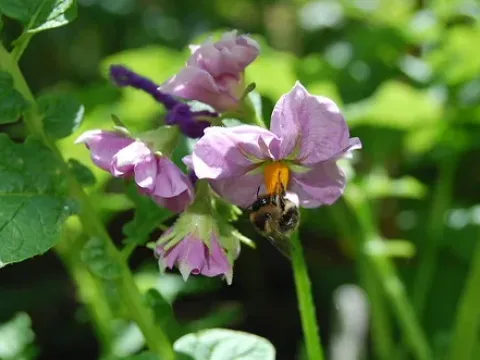
Solanum stenotomum
Solanum stenotomum
Solanum stenotomum is a wild and primitive diploid potato species originating from the high altitudes of the Andes, specifically in Peru and Bolivia.
What the section contains
Solanum stenotomum
Planting typically takes place in early spring once the risk of frost has passed, ensuring the soil has warmed sufficiently for tuber initiation.
Farmers usually plant tubers in ridges, which helps to maintain proper soil aeration and prevents excessive moisture accumulation around the roots.
Given its adaptation to high-altitude environments, the plant performs best in regions where early development occurs in mild, cool weather conditions.
Propagation is primarily carried out through tuber division, though seed selection is critical to maintaining the genetic integrity of this ancient species.
This species thrives in well-drained, sandy loam soils with a slightly acidic pH, mirroring the conditions found in its native mountain habitats.
It requires a moderate climate with distinct day and night temperature fluctuations, which are essential for the metabolic processes during tuber formation.
Adequate soil moisture is crucial throughout the growing season; however, waterlogging must be avoided to prevent rot and promote healthy root development.
The plant benefits from consistent light exposure, although extreme heat can cause stress and reduce the overall quality of the resulting harvest.
Organic soil enrichment is highly recommended to provide a balanced nutrient supply that supports the long growth cycle characteristic of Solanum stenotomum.
The yield of Solanum stenotomum is generally lower compared to modern commercial potato varieties, as it retains wild phenotypic characteristics.
Production varies based on the specific strain and local climatic conditions, usually resulting in a compact harvest of small, flavorful tubers.
While not competitive in bulk agriculture, its yield is prized by specialty growers who focus on biodiversity and the culinary exploration of rare heirloom vegetables.
Productivity is highly dependent on effective pest management and ensuring the plant is not outcompeted by aggressive weeds in the surrounding area.
Careful selection of the healthiest tubers for the next season is the primary method to maintain or improve yields over subsequent planting cycles.
Late blight remains the most significant threat to this species, capable of devastating foliage and preventing proper tuber maturation under damp conditions.
Insects like aphids are major concerns because they not only damage the plant directly but also act as vectors for various viral diseases.
Potato beetles can cause severe defoliation, necessitating timely intervention through biological control measures or manual removal of the larvae.
Soil-borne pathogens, such as nematodes, pose a threat to the root system and require rotation with non-solanaceous crops to reduce soil inoculum levels.
- Late blight
- Potato beetles
- Aphids
- Root-knot nematodes
Harvesting should be delayed until the vines have died back naturally, allowing the tubers to reach full physiological maturity and starch development.
The harvest must be conducted with care, as the skin of the tubers can be delicate and prone to injury if handled roughly with mechanical tools.
Post-harvest curing in a cool, shaded, and well-ventilated location is essential for hardening the skin and extending the shelf life of the crop.
Storage should prioritize cold, dark conditions to prevent light-induced solanine accumulation and premature sprouting of the tuber eyes.
Maintaining the integrity of the harvest is vital for both culinary use and the preservation of this unique genetic resource for future agricultural study.