
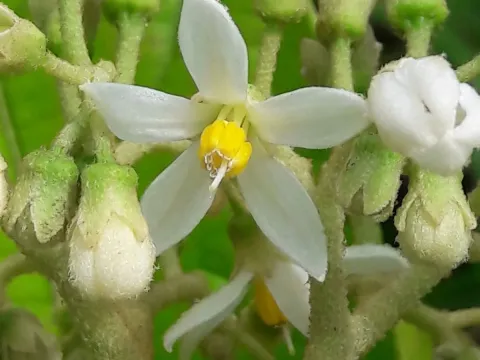
Solanum rugosum
Solanum rugosum
Solanum rugosum is a perennial woody plant species belonging to the Solanaceae family, commonly manifesting as a shrub or small tree in its native habitat.
What the section contains
Solanum rugosum
Originating from the tropical regions of Central and South America, this plant is well-adapted to warm climates and thrives in secondary forest environments and disturbed soils.
The plant requires consistent tropical temperatures for optimal physiological function, as it possesses little to no tolerance for cold snaps or frost events.
Cultivation success relies heavily on soil quality, requiring substrates that are rich in organic matter and possess excellent drainage to prevent root zone hypoxia.
Beyond its ecological role, Solanum rugosum is recognized for its genetic potential in breeding programs and its historical use in local indigenous medicinal practices.
The plant is susceptible to typical Solanaceae pests, including aphids, whiteflies, and various coleopteran species that feed on the leaf tissue and succulent stems.
Fungal pathogens represent a significant threat to Solanum rugosum, especially when cultivated in conditions of high humidity, leading to blight and leaf spot diseases.
Effective management requires proactive monitoring of plant health, ensuring that the canopy remains open to facilitate airflow and reduce moisture accumulation.
Integrated pest management strategies are essential, involving the use of targeted biological controls and limiting broad-spectrum chemical interventions.
Sanitation practices, such as the removal of withered or infected vegetation, play a critical role in preventing the outbreak of seasonal diseases in plantation settings.