
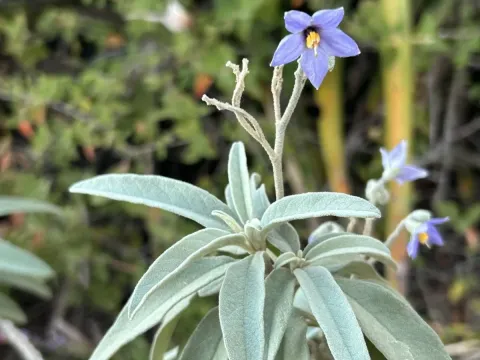
Solanum stipulaceum
Solanum stipulaceum
Solanum stipulaceum, a member of the Solanaceae family, follows a cultivation cycle typical for wild or semi-domesticated nightshades. Seeds should be sown in a well-draining, nutrient-rich substrate that mimics their natural habitat conditions.
What the section contains
Solanum stipulaceum
The optimal sowing depth is shallow, approximately 1 cm, ensuring that the small seeds are not buried too deeply to emerge effectively. Seed viability is significantly improved by maintaining consistent soil warmth.
In temperate zones, sowing is best initiated in protected environments or greenhouses to ensure a longer growing season. Pre-soaking seeds can help break dormancy and increase overall germination uniformity.
Once the seedlings develop the first true leaves, they require adequate spacing to prevent competition for light and nutrients. Thinning out weaker plants is a standard practice to promote the health of the remaining crop.
Hardening off the plants before transplanting is essential for acclimatizing them to outdoor conditions, reducing transplant shock and ensuring better establishment.
The plant thrives in bright, indirect to direct sunlight, which is critical for biomass accumulation. Insufficient light results in elongated, weak stems and reduced flower production.
Soil requirements focus on high organic matter content and excellent aeration. The species is highly susceptible to root rot if grown in compacted, waterlogged soils, making drainage the highest priority.
Optimal soil pH for Solanum stipulaceum ranges from 6.0 to 7.0. Regular monitoring of nutrient availability is necessary, as imbalances can quickly manifest as chlorosis on the leaves.
Consistent moisture is required during the vegetative phase, but the plant benefits from a slight reduction in watering once it reaches the fruiting stage to improve seed quality.
Temperature management is key: the species prefers stable, warm temperatures between 20°C and 25°C. Exposure to sudden cold spells or extreme heat can negatively impact reproductive development.
The yield of Solanum stipulaceum is primarily focused on the production of fruit and seeds. In a well-managed agricultural setting, the plant can produce significant biomass if nutrients are kept at an optimal level.
Fruit set is dependent on the availability of pollinators during the flowering phase. In closed-environment systems, hand pollination may be required to achieve higher success rates.
To maximize reproductive output, proper pruning of vegetative side shoots can help the plant redirect energy toward fruit maturation. This practice is common in high-intensity horticultural systems.
Regular harvests ensure that the plant continues its reproductive cycle for a longer period. Delaying the harvest can lead to senescence and a drop in overall productivity.
While industry-standard yield figures for this specific species are rare, individual plant performance can be high when provided with balanced N-P-K fertilization and adequate sunlight.
Pest pressure is a major concern, particularly from aphids, spider mites, and the Colorado potato beetle, which are notorious threats to most Solanaceae crops.
Fungal pathogens such as Phytophthora infestans (late blight) can spread rapidly in high-humidity conditions. Preventive fungicide applications and good airflow are the best defense strategies.
Viruses transmitted by sap-sucking insects often cause leaf curling and stunting. Integrated Pest Management (IPM) is essential to keep insect populations below the damage threshold.
Root diseases, including Fusarium and Pythium species, often stem from overwatering or contaminated soil. Soil sterilization or crop rotation is highly recommended to manage these risks.
- Monitor leaf undersides for early signs of pest colonies.
- Ensure adequate spacing between plants for better air circulation.
- Use clean, sterilized tools to prevent the spread of soil-borne pathogens.
Harvesting Solanum stipulaceum should occur during the dry parts of the day to minimize the risk of moisture-related spoilage. Fruit maturity is determined by color change and firmness.
Careful handling during harvest is necessary to avoid damaging the skin, which serves as a protective barrier against post-harvest decay. Sharp cutting tools should be used for clean incisions.
Once harvested, fruits require a short period of curing in a cool, ventilated area. This process helps stabilize the fruit and increases its storage life before final processing.
If seeds are the primary goal, they must be extracted carefully from the mature fruit and dried slowly. Avoid high heat during the drying process to ensure the seeds remain viable for future planting.
Proper storage involves keeping the processed material in airtight containers away from direct light and high humidity to maintain the quality of the harvest over time.