
Solanum mochiquense
Solanum mochiquense
In its natural habitat, this species propagates via seeds that undergo a period of dormancy in the soil before seasonal germination.
What the section contains
Solanum mochiquense
In laboratory or research conditions, seeds are sown in a light, well-draining substrate to mimic the mountainous environment of its origin.
Precise temperature control is necessary, as the seeds respond to diurnal fluctuations that characterize the Peruvian coastal valleys.
Seedlings emerge within three to four weeks, requiring careful monitoring to ensure that humidity levels do not lead to damping-off.
Once established, the seedlings are robust and ready for transplanting into controlled environments for further genetic study.
Solanum mochiquense is endemic to Peru, specifically adapted to arid and semi-arid conditions with sandy, low-nutrient soils.
The species requires high light intensity, which is critical for its metabolic processes and the development of natural defense compounds.
It thrives in environments with significant differences between day and night temperatures, demonstrating remarkable physiological plasticity.
Water requirements are relatively low compared to commercial potato varieties, as the plant has evolved to survive extended dry periods.
Adequate soil drainage is essential, as the species is sensitive to waterlogged conditions that can cause root and stem rot.
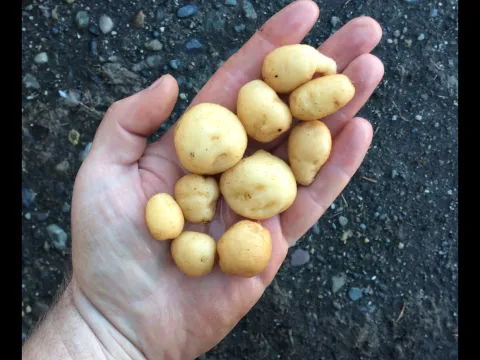
This wild species is not utilized for food production, as its tubers are small and contain high levels of bitter alkaloids.
The primary yield of this crop is its genetic material, which is highly sought after for crossing with commercial potato cultivars.
Breeders evaluate yield potential based on the species' ability to contribute disease-resistant traits to hybrid offspring.
While tuber yield is insignificant for consumption, the seed yield from successfully pollinated flowers is vital for gene banking.
The focus remains on extracting the genetic potential that can lead to more resilient and sustainable agricultural outcomes.
Solanum mochiquense possesses innate genetic resistance to several pathogens that frequently devastate common potato crops.
It is specifically studied for its resistance to late blight and various soil-borne pests, such as nematodes, which threaten crop stability.
Under greenhouse conditions, common pests like spider mites must be managed to prevent damage to the delicate foliage.
Integrated pest management is the standard protocol to maintain the health of these specimens without compromising their natural resistance.
Constant monitoring for viral infections transmitted by aphids is crucial to preserve the genetic purity of the accessions.
The harvesting of botanical seeds involves collecting mature berries once they reach the correct stage of physiological development.
Tubers are carefully harvested by hand to ensure they remain intact for morphological evaluation and long-term storage.
After harvesting, all material is cleaned and subjected to a controlled drying process to stabilize the moisture content.
Proper documentation and labeling are maintained during the harvest to ensure the traceability of the genetic data.
The seeds and tubers are stored in specialized bank facilities under cold conditions to ensure long-term viability for future breeding cycles.