
Solanum lycocarpum
Solanum lycocarpum
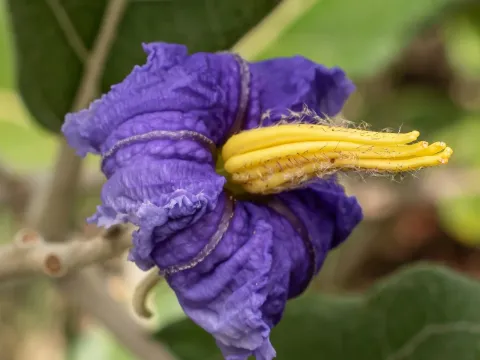
Solanum lycocarpum, commonly known as the wolf apple, is a shrub belonging to the Solanaceae family. It is native to the Cerrado biome in Brazil and is highly regarded for its ecological role and its large, distinctive fruits.
What the section contains
Solanum lycocarpum
To propagate this crop, seeds should be harvested from fully ripe fruits and cleaned thoroughly. They require a warm, well-lit environment for germination, and planting depth should remain at approximately 1–2 cm to ensure optimal emergence.
The best time to sow the seeds is at the beginning of the warm season. Ensuring temperatures range between 20°C and 28°C is critical, as these conditions mimic the natural environment of the Brazilian plateau where the plant thrives.
Young seedlings should be transplanted into larger containers or permanent soil sites once they reach a height of 15–20 cm. Care must be taken not to disturb the root ball, as the plant can be sensitive to root damage during the early stages.
Spacing is essential for the healthy growth of mature shrubs. A grid pattern with 3 meters of space between plants allows for sufficient airflow, which is a major factor in preventing humidity-related diseases and maximizing fruit yield.
This species is highly photophilous and demands full sun exposure throughout the day. Inadequate light levels will lead to leggy, unproductive growth and a significant reduction in the quantity of fruits produced per plant.
The soil should be deep, well-drained, and aerated. Sandy-loam soils are ideal, as they allow for rapid water drainage, preventing the waterlogging that often causes root rot in many Solanaceae species.
Regarding moisture, the plant is moderately drought-tolerant once established. However, regular irrigation is recommended during the flowering and fruit-set phases to ensure that the plant has enough energy to sustain high-quality production.
Nutrient requirements include a balanced NPK ratio. Fertilizer should be applied during the early vegetative stage, with increased phosphorus and potassium levels during the reproductive cycle to support fruit development and plant health.
The plant thrives in regions where the temperature does not drop below freezing. Cold protection is necessary in climates with seasonal frosts, as Solanum lycocarpum is not evolutionarily adapted to cope with prolonged freezing temperatures.
Solanum lycocarpum is susceptible to several pathogens common in the nightshade family. Powdery mildew is a frequent concern, especially in areas with poor ventilation and high humidity, manifesting as a white fungal growth on leaves.
Insect pests, including aphids and various coleopteran larvae, can target the plant tissues. Integrated pest management, focusing on biological controls and manual removal, is the preferred method to maintain organic integrity.
Bacterial wilt can occur if the soil remains excessively damp for prolonged periods. Maintaining strict hygiene in the cultivation area, including the use of clean tools for pruning, is vital for the long-term sustainability of the plantation.
Root-knot nematodes may also present a challenge in certain soil types. Incorporating organic matter into the soil and practicing crop rotation are effective ways to mitigate the risk and keep the soil microbiome balanced.
Effective monitoring involves regular visual inspections of the foliage and stems. Detecting issues such as discolored leaves or stunted growth early allows for localized management, preventing the spread of diseases throughout the planting area.