
Solanum neorickii
Solanum neorickii
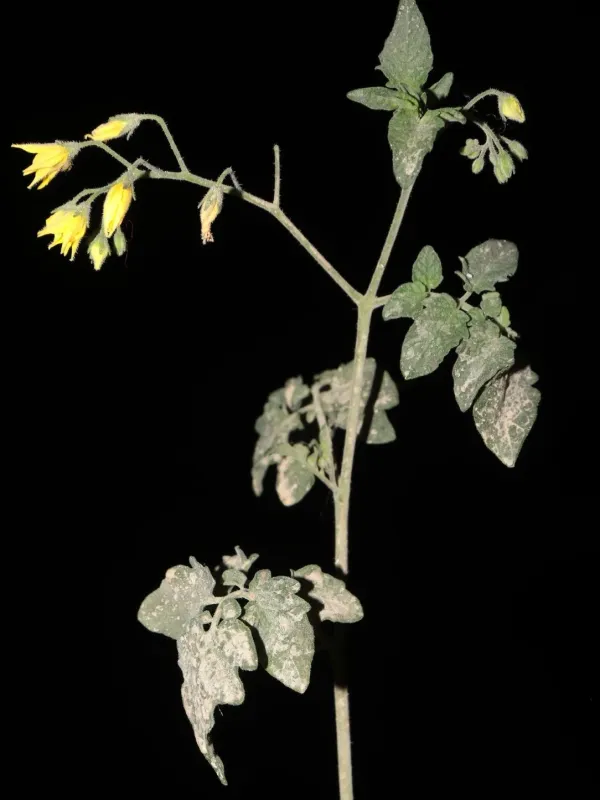
Description
Sowing dates
Seeds of Solanum neorickii exhibit dormancy, making it necessary to provide appropriate pre-sowing treatments to ensure uniform germination.
When sowing in controlled environments, it is recommended to use a lightweight, sterile soil mixture that promotes healthy root development.
Sowing depth should be minimal, as the seeds require slight exposure to light and consistent moisture levels to break their natural dormancy cycle.
The optimal germination temperature ranges between 22 and 25 degrees Celsius, with a high relative humidity maintained during the first two weeks.
Once seedlings have developed their first true leaves, they should be transplanted into individual pots to avoid overcrowding and nutrient competition.
Growing requirements
Solanum neorickii is a wild member of the Solanaceae family, historically found in the high-altitude regions of Ecuador and Peru.
This species thrives in environments with high solar radiation and well-drained, slightly acidic to neutral soil types typical of its native habitat.
The plant demonstrates high adaptability to varying daylight lengths, a trait often sought after by breeders looking to improve tomato resilience.
Adequate ventilation is crucial for this species, as it is evolved to grow in conditions where mountain breezes prevent excessive atmospheric humidity.
In terms of agricultural technique, it is frequently used as a genetic donor for introducing beneficial traits, such as sugar accumulation, into breeding lines.
Yield
While Solanum neorickii is not a high-yield commercial crop, its primary value lies in the production of high-quality seeds for genetic research.
The fruit size is significantly smaller than that of standard tomatoes, often referred to as "currant" types, which are not intended for mass production.
Yield metrics in this species are measured by the number of viable seeds per fruit and the plant's ability to produce consistent inflorescences over time.
The fruit exhibits a high concentration of soluble solids, which makes it an interesting subject for studies on taste and nutritional density.
Research plots focus on optimizing the harvest intervals to ensure the maximum viability of collected seeds for future breeding generations.
Main diseases and pests
The species is generally hardy, but it remains susceptible to typical solanaceous threats including aphids and whiteflies in greenhouse settings.
Excessive humidity combined with high temperatures creates a risk for powdery mildew, which can rapidly diminish plant vigor.
To protect the genetic integrity of the plants, stringent quarantine measures must be applied to prevent the introduction of common tomato viruses.
Soil-borne pathogens are a significant threat, necessitating the use of disease-free growing media and clean irrigation water to prevent root rot.
Regular monitoring of the foliage and stems for early signs of infection is the most effective strategy for managing potential biological threats.
Harvesting
Harvesting for scientific purposes involves collecting the fruit at the peak of maturity to ensure the seeds have reached physiological ripeness.
The fruits change color from green to a deep red or orange-red hue, signaling that the embryos within the seeds are fully developed.
Seeds should be extracted from the pulp using fermentation or enzymatic methods to remove the protective inhibitors found in the fruit matrix.
After extraction, the seeds require thorough washing and drying in a controlled environment to maintain long-term viability for seed banking.
Proper labelling of the harvest by accession number is essential for maintaining the traceability of the plant material within breeding programs.