
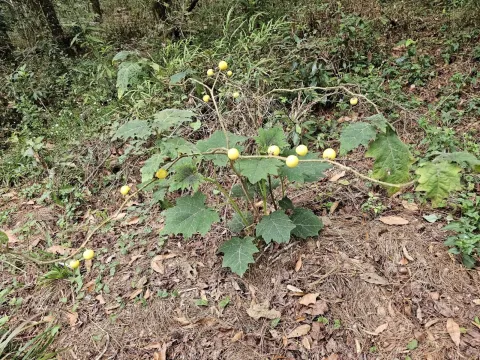
Solanum myriacanthum
Solanum myriacanthum
Sowing Solanum myriacanthum should ideally commence at the beginning of the spring season once stable warmth is established. A greenhouse or seedling tray approach is recommended to protect emerging sprouts from late frost damage.
What the section contains
Solanum myriacanthum
The seeds require pre-sowing preparation, such as soaking or stratification, to maximize germination rates. They should be placed in a lightweight, well-draining substrate at a shallow depth of approximately 1 centimeter.
Once seedlings develop their first true leaves, they should be hardened off before being moved to the field. This acclimatization period helps the young plants adjust to outdoor environmental fluctuations.
When transplanting, ensure the soil temperature is sufficiently warm. Planting in cold, damp soil will significantly stunt growth and increase the susceptibility of the plants to early developmental diseases.
Spacing is a critical factor for this species, as it produces large, sprawling bushes. Planting individuals 75–90 centimeters apart ensures adequate airflow, which is crucial for reducing humidity-related diseases.
Solanum myriacanthum is a heat-loving plant from the Solanaceae family that thrives under full sun exposure. It requires at least 6–8 hours of direct light daily to maintain robust health and high productivity.
The crop prefers fertile, loamy soil with a neutral to slightly acidic pH. Incorporating organic matter, such as aged manure or high-quality compost, during soil preparation improves moisture retention and nutrient availability.
Water management is essential, as the species is highly sensitive to root asphyxiation caused by waterlogging. A drip irrigation system is the most efficient method to keep the soil consistently moist without saturating it.
During the flowering and fruiting stages, supplemental potassium fertilization can significantly enhance yield quality. Regular monitoring for nutrient deficiencies helps maintain the overall vigor of the plant.
Given the sharp thorns present on the stems and leaves, protective gear is strictly necessary for all field operations. Efficient management of the plant structure through pruning can also help in managing the thorny branches.
Common pests include the Colorado potato beetle and various species of spider mites. Integrated pest management strategies, combining biological and chemical controls, are recommended to keep damage below economic thresholds.
Fungal infections, particularly blight and root rot, are the most significant threats during wet or humid weather conditions. Ensuring proper ventilation and avoiding overhead irrigation are primary preventive measures.
Bacterial wilt can be a major challenge in warmer regions. Crop rotation is the best defense; avoid planting Solanum myriacanthum in areas where other Solanaceae crops were grown in the previous two years.
Virus infections transmitted by aphids can affect growth and leaf development. Controlling aphid populations early in the season is critical to preventing the spread of viral pathogens throughout the crop.
- Use of certified pathogen-free seeds.
- Regular field sanitation and removal of debris.
- Application of preventative fungicide sprays during high-humidity periods.