
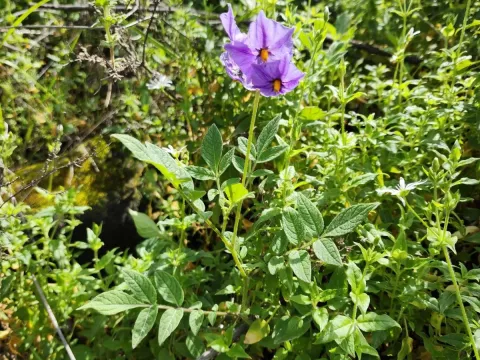
Solanum medians
Solanum medians
Solanum medians is a wild species within the Solanaceae family. It is recognized as a significant wild relative of the cultivated potato and is primarily utilized as a genetic source for improving the stress tolerance of commercial varieties.
What the section contains
Solanum medians
The species originates from the mountainous regions of Peru. It has evolved to thrive in environments with rocky, well-drained soils, exhibiting a remarkable ability to survive in areas with limited moisture availability.
Regarding soil requirements, the plant demands loose, aerated substrates. It is essential to maintain a pH level close to neutral. Poor drainage is the most significant obstacle to healthy root development and overall plant vitality.
The climate requirements involve moderate temperatures with distinct diurnal fluctuations. The plant is not frost-tolerant and requires controlled environmental conditions when cultivated for research or breeding purposes outside of its native range.
Standard agrotechnical practices focus on mimicking its natural habitat. This includes a strict watering regime to prevent root rot and the use of balanced mineral fertilizers, as excessive nitrogen can negatively impact the reproductive development of the species.
Solanum medians is susceptible to standard potato diseases, including late blight (Phytophthora infestans) and early blight. These fungal diseases pose a major challenge for breeders attempting to utilize its genetics.
Common insect pests include aphids, Colorado potato beetles, and spider mites. These pests not only damage the leaf tissue but can also serve as vectors for various viral diseases that significantly reduce plant productivity.
Management strategies for these threats involve both chemical control and integrated pest management (IPM) practices. Keeping the cultivation area clean and free of decaying debris is crucial for minimizing pathogen loads.
Maintaining optimal airflow around the plants is an effective preventive measure against many fungal outbreaks. Stagnant air leads to increased humidity on leaf surfaces, which is a key factor for the proliferation of fungal spores.
Systematic monitoring is necessary to identify signs of stress or infection early. Regular scouting of the underside of the leaves can help detect initial populations of aphids or spider mites before they cause significant damage.