
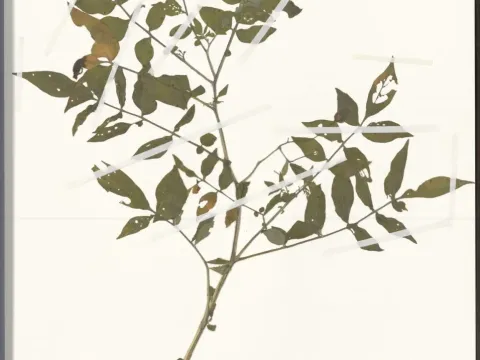
Solanum oxycarpum
Solanum oxycarpum
Solanum oxycarpum is a fascinating species belonging to the diverse Solanaceae family. Native to the high-altitude regions of Central and South America, this plant is biologically distinct and shares many physiological traits with other well-known members of the nightshade genus, including potato and tomato.
What the section contains
Solanum oxycarpum
Cultivation requires specific environmental conditions that mimic its natural habitat. The plant thrives in cool, humid climates and generally performs poorly in regions with high temperatures or prolonged periods of intense direct sunlight, which can stress the plant's metabolic processes.
Regarding soil requirements, Solanum oxycarpum prefers light, well-draining soils rich in organic matter. An acidic to neutral soil pH is ideal for nutrient absorption. It is critical to avoid waterlogging, as the roots are highly susceptible to decay in saturated, oxygen-poor environments.
Agronomic practices focus on maintaining consistent soil moisture levels and ensuring adequate air circulation. Because the plant is sensitive to frost and extreme thermal fluctuations, it is often cultivated in controlled environments such as greenhouses or specialized nurseries in temperate climates.
The economic value of this crop is currently centered on research and genetic conservation. Scientists are particularly interested in its hardiness and resistance traits, which could potentially be cross-bred into commercial varieties of potatoes or tomatoes to improve disease resistance and yield stability.
Common threats to Solanum oxycarpum include fungal infections such as late blight and various bacterial wilt pathogens. These diseases can devastate plantings quickly if the humidity is not effectively managed, leading to rapid loss of foliage and structural integrity of the stems.
Pest management is a major concern, with species like aphids and Colorado potato beetles posing the most frequent challenges. These insects target the lush, nutrient-dense leaves of the plant, potentially acting as vectors for viral diseases that further weaken the host.
To mitigate these risks, growers are advised to implement strict integrated pest management (IPM) strategies. This includes regular crop monitoring, the use of physical barriers to prevent insect access, and the application of organic-based pesticides when necessary to protect the plant.
Cultural practices such as proper spacing are essential to reduce the microclimate humidity around the base of the plant. Ensuring that foliage remains dry and that air flows freely through the canopy can significantly lower the incidence of fungal pathogens common to the nightshade family.
Finally, maintaining equipment sanitation is vital for preventing the spread of soil-borne diseases. Tools should be regularly cleaned and disinfected, and any symptomatic plant material must be removed and destroyed immediately to prevent the contamination of surrounding healthy individuals.