
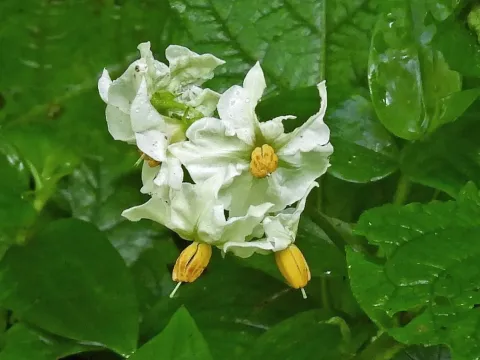
Solanum microdontum
Solanum microdontum
Solanum microdontum is a wild perennial herbaceous species belonging to the Solanaceae family. Native to the high-altitude regions of Argentina and Bolivia, this species has evolved in mountainous environments with significant temperature fluctuations.
What the section contains
Solanum microdontum
The plant is highly valued by botanists and breeders due to its unique genetic makeup. Unlike commercial potato varieties, it has adapted to cold climates, which provides valuable traits for potential cross-breeding programs aiming to enhance cold tolerance in crops.
In terms of soil requirements, the species thrives in well-drained, porous soils that prevent waterlogging. It is susceptible to root rot if the soil moisture levels remain consistently high, thus requiring careful management in controlled cultivation environments.
Regarding climate, Solanum microdontum prefers cool, alpine conditions. It is well-adapted to high light intensity and can manage short-day photoperiods, which is common for Andean plants residing at elevations up to 3500 meters above sea level.
The agricultural application of this species is almost exclusively research-oriented. It serves as a vital genetic reservoir for introducing desirable traits into modern agricultural varieties, particularly those intended for cultivation in suboptimal or high-altitude regions.
One of the primary reasons Solanum microdontum is studied is its natural resistance to several devastating plant diseases. It possesses innate mechanisms that protect it from pathogens that typically cripple standard potato yields.
The species exhibits significant resistance to various strains of nematodes. This characteristic is particularly sought after in the development of new, resilient potato cultivars, reducing the reliance on chemical nematicides in commercial farming.
Field studies have also indicated a certain level of natural resistance to late blight, one of the most destructive diseases in potato production. This makes the species a cornerstone in genetic improvement programs focusing on disease management.
Despite these robust defenses, the plant is not immune to all threats. In artificial settings, it can be vulnerable to standard potato pests, such as the Colorado potato beetle or aphids, requiring strict integrated pest management (IPM) practices.
Ensuring the health of this germplasm is a priority for botanical gardens and research stations. Standard quarantine procedures must be strictly followed to prevent the infiltration of viral diseases, which can remain hidden in wild plant populations.