
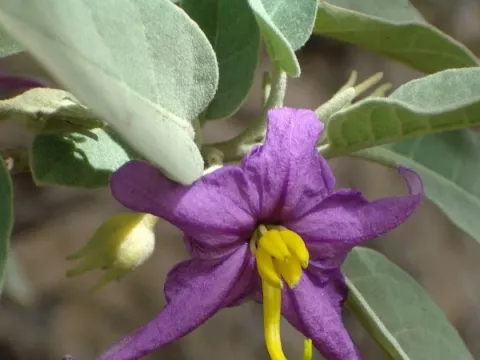
Solanum lidii
Solanum lidii
Solanum lidii is a rare shrubby plant belonging to the Solanaceae family. It is strictly endemic to the island of Gran Canaria, making it a subject of significant interest for botanical research and conservation biology.
What the section contains
Solanum lidii
Morphologically, it is characterized by its woody structure and distinctive trichomes (hairs) covering the foliage. These features provide essential protection against the arid, high-radiation climate of its native rocky habitats.
The plant requires well-drained, volcanic-type soils to thrive. Given its natural adaptation to the Canary Islands, it demands a subtropical climate with minimal fluctuations in temperature and no frost exposure.
Cultural requirements emphasize the need for adequate drainage, as the root system is highly sensitive to waterlogging. Excessive moisture is a primary trigger for physiological stress in this species.
While not a traditional food crop, its study contributes to our understanding of the genetic diversity within the Solanum genus, providing insights for future agricultural breeding programs regarding drought tolerance.
The main threats to Solanum lidii include habitat fragmentation and the encroachment of non-native plant species that compete for local soil resources.
Typical pathogenic threats include soil-borne fungi and various root rots. These are usually exacerbated by improper irrigation management in artificial growing conditions.
Pests such as spider mites and whiteflies represent a substantial risk, especially in low-ventilation environments, which can lead to severe infestations of the delicate foliage.
Integrated pest management strategies are crucial, focusing on biological controls rather than harsh chemical interventions that might harm the rare plant specimens.
Conservation efforts often involve seed banking and controlled propagation in specialized greenhouses to ensure the species does not face extinction in the wild.