
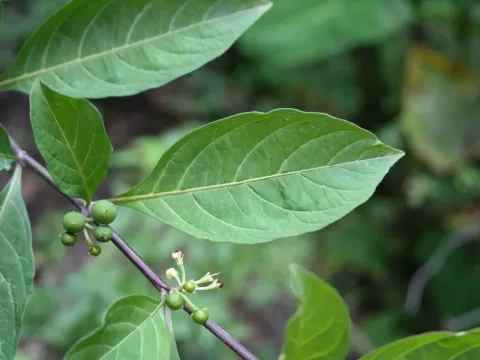
Solanum nudum
Solanum nudum
Solanum nudum is a perennial shrub belonging to the Solanaceae family, native to the tropical regions of Central and South America. It is recognized for its unique phytochemical profile, making it a subject of interest for both botanical research and pharmaceutical applications.
What the section contains
Solanum nudum
The plant thrives in warm, tropical climates, requiring consistent temperatures between 20°C and 28°C to achieve optimal biomass production. It is sensitive to frost and requires a stable, frost-free environment to maintain its growth cycle throughout the year, which is essential for commercial cultivation.
Soil requirements for this species include well-draining, nutrient-rich substrates with a slightly acidic to neutral pH. Proper soil moisture management is critical, as the roots are susceptible to rot if subjected to waterlogged conditions for extended periods during the rainy season.
In terms of light, Solanum nudum prefers diffused light rather than intense direct sunlight. In its natural habitat, it acts as an understory shrub, which dictates the need for managed shade in large-scale agricultural setups to prevent leaf desiccation and photosynthetic stress.
Effective agronomic management involves systematic pruning to encourage side branching and the development of dense foliage. This practice not only optimizes the harvestable surface area but also improves air circulation within the shrub, which is vital for preventing the onset of common pathogenic infections.
Pest management for Solanum nudum primarily involves monitoring for aphids and spider mites, which can cause significant damage to the leaf tissue. Additionally, fungal pathogens like powdery mildew and leaf spot diseases can develop if the microclimate becomes too stagnant, necessitating careful canopy management and appropriate sanitation measures.